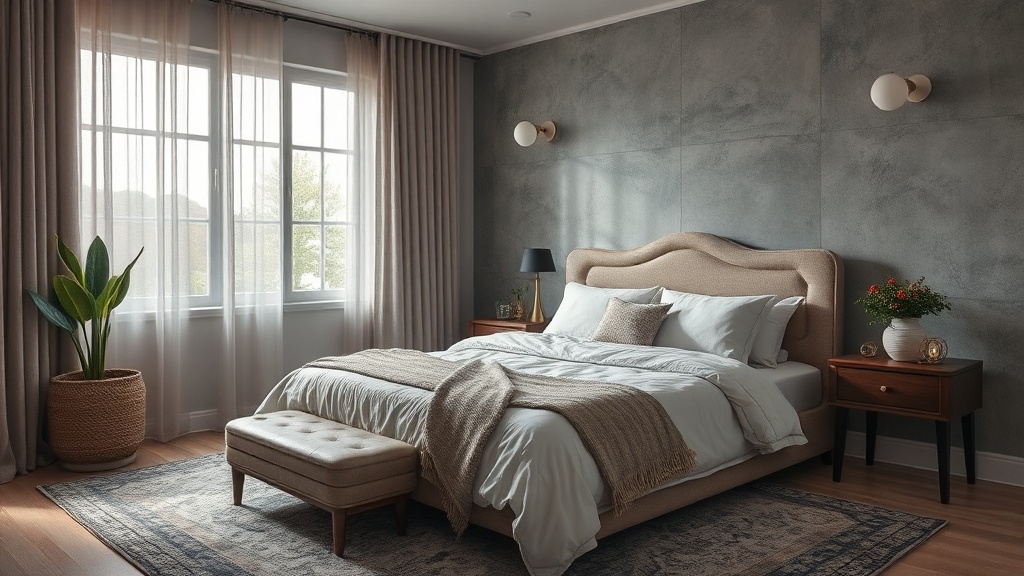
Upgrade Your Guest Bedroom with Layered Textures

A guest bedroom often suffers from a lack of intentionality, frequently becoming a graveyard for mismatched furniture or a sterile space that feels more like a hotel than a home. To fix this, you need to move beyond color palettes and focus on tactile depth. This post covers how to use layered textures—varying weights, weaves, and materials—to create a high-end, inviting atmosphere that feels structurally sound and visually rich. By applying a designer’s approach to material selection, you can turn a flat, uninspiring room into a multi-dimensional retreat.
The Foundation of Texture: Bedding Layers
The bed is the architectural focal point of any guest room. If you only use a single cotton sheet and a standard duvet, the room will look two-dimensional. To create depth, you must layer materials with different light-reflective properties and tactile weights. Start with a high-thread-count cotton percale sheet for a crisp, breathable base. This provides a clean, structured foundation that feels cool against the skin.
Next, add a medium-weight duvet in a matte fabric like linen or brushed cotton. Linen is an excellent choice because its natural slubs and irregular weave provide an organic texture that softens the rigidity of the bed frame. Over the foot of the bed, layer a heavy, chunky knit throw or a weighted wool blanket. The contrast between the smooth sheets, the textured linen, and the heavy knit creates a visual "stack" that signals comfort and luxury.
Don't forget the pillows. A professional design formula involves at least three distinct types of pillow textures. For example, use two large, smooth cotton shams for structure, two medium-sized velvet pillows for a soft sheen, and one small lumbar pillow in a heavy bouclé or a textured woven fabric. This variety ensures that even when the bed is made, it possesses a sense of curated depth.
Wall Treatments and Vertical Surfaces
Walls are often the most neglected surface in a guest room, usually left as flat, monochromatic paint. While paint is a great tool, it lacks the physical dimension that a textured surface provides. If you want to elevate the room without a full renovation, consider adding architectural interest through wall coverings or paneling.
Grasscloth wallpaper is a premier option for adding subtle, sophisticated texture. Unlike standard vinyl wallpaper, grasscloth has a natural, uneven grain that catches the light differently throughout the day. It adds a sense of warmth and organic structure to the room. If you are on a tighter budget, you can achieve a similar effect with a high-quality textured stencil or a subtle lime wash paint technique. Lime wash creates a mottled, stone-like finish that feels much more intentional and "old-world" than a standard flat latex paint.
For those who prefer a more structural approach, consider adding wainscoting or picture frame molding. This adds shadow lines to the walls, creating a sense of permanence and scale. If you are comfortable with basic woodworking, you can install beadboard in the lower third of the wall to introduce a vertical rhythm that complements the softness of the bedding. If you've already worked on your storage, you might want to organize your linen closet to ensure your new textured linens are stored properly and ready for use.
Furniture and Hard Surfaces
When selecting or refurbishing furniture for a guest room, look for materials that offer a tactile contrast to the soft textiles. If your bed has a smooth metal frame, pair it with a wooden nightstand that shows a prominent grain. If your furniture is painted, ensure the finish has some character. A high-gloss finish reflects light sharply, while a matte or satin finish absorbs it, creating a softer look.
The nightstand is a critical area for texture layering. Instead of leaving it bare, place a small tray made of a different material—such as a marble tray or a hammered brass bowl—on top. This adds a hard, reflective element against the soft surface of the nightstand. If you have an older wooden nightstand that looks dull, you can swap the hardware for something with a heavy, textured feel, like knurled brass or matte black iron, to add a sense of weight and quality.
Consider the rug as the "anchor" of your texture. A flat-weave jute or sisal rug provides a sturdy, organic base that works exceptionally well in high-traffic areas or under a bed. If you want more comfort, layer a smaller, plush sheepskin or a high-pile Moroccan rug on top of the jute. This "rug-on-rug" technique is a classic designer trick to add warmth and a sense of luxury underfoot.
Lighting and the Role of Reflection
Texture isn't just about what you touch; it's about how light interacts with surfaces. A room with only overhead lighting will look flat because the light hits surfaces uniformly. To create depth, you need to use multiple light sources that highlight different textures.
- Ambient Lighting: Use a dimmable ceiling fixture with a textured shade, such as a pleated silk or a woven rattan pendant. This softens the light as it enters the room.
- Task Lighting: Place bedside lamps with heavy bases—think ceramic, stone, or thick glass. The weight of the base provides a visual anchor, while the shade controls the light direction.
- Accent Lighting: Use small LED uplights or a floor lamp to cast shadows against textured walls or plants. Shadows are a form of texture; they create the "lows" that make the "highs" of your light sources pop.
When choosing lamp shades, vary the materials. A linen shade provides a diffused, soft glow, while a metal or glass shade provides a more direct, sharp light. Mixing these allows you to control the mood of the room from "bright and functional" to "moody and restful."
The Final Touches: Curated Accents
The final layer of a guest room should feel collected, not decorated. This means choosing objects that have a physical presence and a story. Avoid mass-produced, plastic decor. Instead, look for items that showcase craftsmanship and material integrity.
On a dresser or a side table, group items in threes using different heights and textures. A heavy ceramic vase, a stack of linen-bound books, and a small wooden bowl create a balanced, textured vignette. The weight of the ceramic, the softness of the linen, and the grain of the wood work together to create visual interest without clutter.
Even the window treatments should be treated as a textural element. Instead of simple blinds, use heavy linen drapery panels. The way the fabric folds and creates deep shadows in the pleats adds a sense of verticality and luxury to the room. If your windows are small, even a simple fabric Roman shade in a textured weave can make a significant difference in the room's overall "weight."
"Design is not just about how a room looks, but how the surfaces interact with the light and the person moving through the space. Texture is the bridge between a visual concept and a lived experience."
By focusing on these layers—the bed, the walls, the furniture, the light, and the accents—you move away from a flat, one-dimensional room and toward a space that feels architecturally considered. It’s about the math of materials: the balance of hard and soft, matte and shiny, heavy and light. Implement these steps, and your guest bedroom will become a space that feels both intentional and incredibly welcoming.