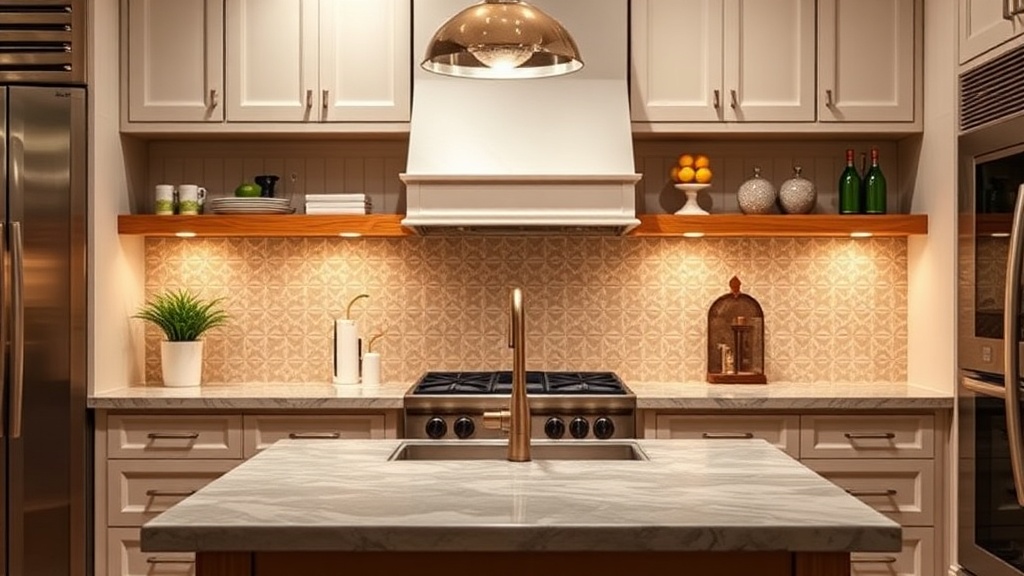
Swap Your Hardware for Instant Cabinet Refresh

Quick Tip
Changing your cabinet hardware is the fastest way to shift your room's style from traditional to modern without a full renovation.
The Quickest Way to Change Your Cabinet Aesthetic
You will learn how to select, measure, and install new cabinet hardware to completely transform the visual weight and style of your kitchen or bathroom cabinetry.
Hardware is the jewelry of a room. While changing your entire cabinet color is a heavy lift, swapping out pulls and knobs is a high-impact, low-effort task that can shift a kitchen from dated builder-grade to custom-designed in under an hour. However, a haphazard approach leads to crooked handles and unnecessary holes. Follow these structural steps to ensure a professional finish.
1. Measure Your Center-to-Center Distance
The most common mistake is buying hardware that doesn't fit the existing holes. If you are replacing pulls (the long handles), you must measure the center-to-center distance. This is the distance from the center of one screw hole to the center of the other, not the total length of the handle. Common standard sizes include 3 inches (76mm), 3.75 inches (96mm), and 5 inches (128mm). If your new hardware has a different measurement, you will need to patch the old holes with wood filler and drill new pilot holes.
2. Select Your Material and Scale
Consider the scale of your cabinet doors. For large shaker-style doors, a substantial 6-inch bar pull provides a modern, architectural feel. For smaller vanity cabinets, a 1-inch knob offers a more classic look. Match your metal finishes to your existing faucet or light fixtures to create a cohesive design language. Popular options include:
- Brushed Brass: Adds warmth and a high-end organic feel.
- Matte Black: Provides a sharp, industrial contrast against white or light wood.
- Polished Nickel: A timeless, softer alternative to chrome.
3. The Installation Process
To ensure your hardware is perfectly level, do not rely on your eyes alone. Use a small magnetic level or a digital level to check your work.
- Mark your points: Use a pencil and a ruler to mark the center of each hole. For a professional look, ensure the bottom of the pull is equidistant from the bottom edge of the door.
- Drill pilot holes: If you are drilling into new locations, use a drill bit slightly smaller than your screw diameter to prevent the wood from splitting.
- Secure the hardware: Hand-tighten the screws first. If you over-tighten with a screwdriver, you risk stripping the threads or cracking the cabinet face.
Pro Tip: If you are working on a painted surface, such as after you revive your tired kitchen cabinets, ensure the paint is fully cured (usually 24–48 hours) before installing hardware to avoid chipping the finish.