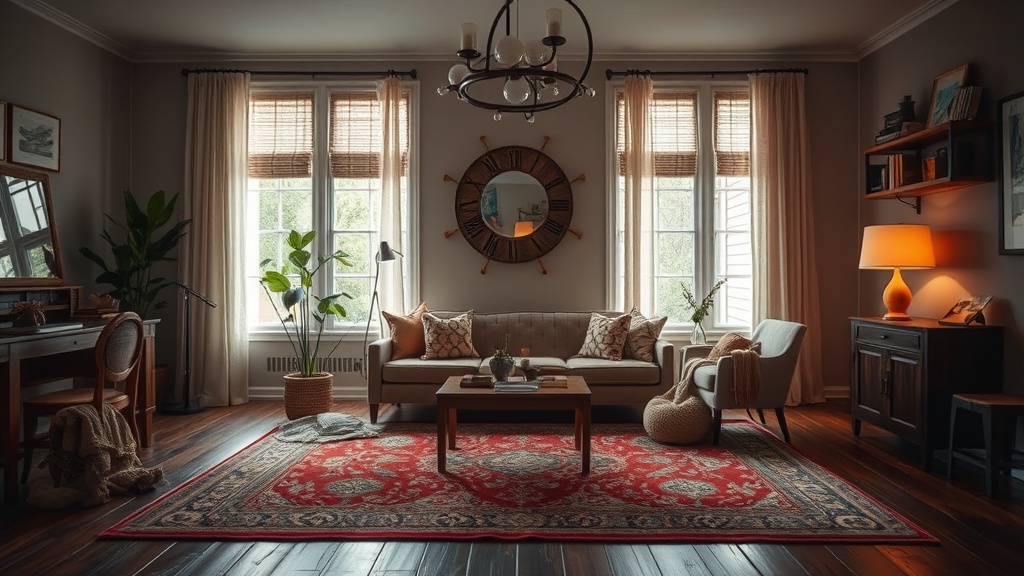
Stop Buying New Rugs and Start Layering Your Existing Ones

A worn-out Persian rug sits in a dusty corner of a garage, its once-vibrant crimson edges faded by time and sunlight. It looks like a relic, something to be discarded. But in the world of high-end interior design, that rug isn't trash—it's a foundational layer. Layering rugs allows you to add texture, scale, and visual weight to a room without the massive price tag of a single, oversized statement piece. Instead of hunting for the "perfect" rug that might not exist, you can use the pieces you already own to create depth through structural layering.
Most people treat rugs as a binary choice: you either have one or you don't. They buy a large, neutral jute rug to cover the floor, and then they realize the room feels flat. They try to fix it by buying a smaller, prettier rug to sit on top, but the proportions look off. That's because they aren't thinking about the math of the floor plane. They're just throwing fabric on the ground.
When you layer, you aren't just decorating. You're building a visual hierarchy. You're using a large, low-cost base to define the perimeter and a smaller, high-texture piece to anchor the furniture. It’s about the relationship between the two.
How Do I Layer Rugs Without Making a Room Look Messy?
The secret to a clean look is ensuring your bottom layer is significantly larger than your top layer and that the materials have distinct textural differences. A common mistake is choosing two rugs with nearly identical textures, which results in a visual "mush" that looks accidental rather than intentional. You want a heavy, durable base—think a low-pile jute or sisal rug—and a more delicate, patterned top layer like a vintage wool or silk-blend piece.
Think of it like a structural sandwich. The bottom layer provides the structural stability and covers the vast majority of the floor area. The top layer provides the "jewelry" for the room. If the top rug is too small, it looks like a postage stamp floating in the middle of the room. If it's too large, it overwhelms the base. Aim for at least 12 to 18 inches of the base rug showing on all sides of the top rug to create a sense of intentionality.
Here is a quick breakdown of the three most successful layering combinations:
| Base Layer Style | Top Layer Style | Vibe Created |
|---|---|---|
| Large Jute or Sisal | Vintage Persian or Oriental | Organic, sophisticated, and grounded |
| Solid Neutral Wool | Geometric or Patterned Modern | Structured, clean, and contemporary |
| Large Neutral Low-Pile | Small High-Texture Sheepskin/Faux Fur | Cozy, tactile, and layered |
If you're working in a small space, don't panic. You can use this method to actually make a room feel larger. By using a light-colored base, you push the walls out visually, while the smaller, darker rug anchors the seating area. It’s a way to define a "zone" without building walls. It's a lot like the design math of a small living room, where you use visual cues to manage perception.
What Are the Best Rug Materials for Layering?
You should prioritize a durable, flat-weave material for your bottom layer and a more decorative, textured material for your top layer. This prevents the rugs from sliding around and ensures the room feels stable underfoot. If you put a heavy, plush rug directly on top of another plush rug, you'll create a mountain of fabric that's a tripping hazard and looks incredibly bulky.
The bottom layer needs to be "quiet." It shouldn't compete for attention. A flat-weave rug—like a classic jute rug or a simple cotton weave—is perfect because it stays low to the ground. This creates a level surface for your top rug to sit on. If your base is too thick, your top rug will look like it's perched on a hill, which looks amateur and feels uncomfortable when you walk on it.
For the top layer, you can get much more adventurous. This is where you bring in the color and the "soul" of the room. Consider these pairings:
- The Naturalist: A large seagrass rug topped with a smaller, colorful cotton kilim. This is great for high-traffic areas because both materials are relatively easy to clean.
- The Maximalist: A solid navy wool rug topped with a vintage silk-blend rug. The sheen of the silk against the matte wool creates a high-end, architectural contrast.
- The Modernist: A neutral gray low-pile rug topped with a high-pile Moroccan Berber rug. The contrast between the flat base and the shaggy top adds instant warmth.
One thing to watch out for: weight. If your top rug is significantly heavier than your base, it can cause the bottom rug to bunch up. I always recommend using a high-quality rug pad under the bottom layer to keep everything locked in place. It’s not just about aesthetics; it’s about safety and longevity.
Does Rug Layering Work in Small Spaces?
Yes, rug layering works beautifully in small spaces if you use the "zoning" technique to define specific areas like a reading nook or a dining section. Instead of trying to find one massive rug that covers the whole room—which often makes a room look smaller by cutting off the floor space—you can use a large, neutral rug to ground the entire area and a smaller, more vibrant rug to highlight a specific piece of furniture.
In a small living room, a single large rug can sometimes feel like it's "eating" the furniture. By layering, you create a focal point. For example, if you have a small armchair and a side table, you don't need a huge rug under them. You can place a larger, neutral rug under the sofa and the main seating area, and then layer a small, textured rug under the armchair to create a separate "zone." This adds depth and makes the room feel more complex and intentional. It's a trick used to avoid the "one-size-fits-all" trap of standard furniture layouts.
The key is to avoid the "floating rug" look. A floating rug happens when the top rug is too small for the furniture it's meant to anchor. If you have a sofa, the rug underneath it should ideally be wide enough that the front legs of the sofa sit comfortably on it. If you're layering, the base rug should be much larger than the furniture footprint, and the top rug should be large enough to hold at least the front legs of your main pieces. This keeps the room feeling grounded rather than cluttered.
A quick tip for the DIYer: if you have a rug that's just a little too small to be a "top" layer, don't throw it away. Use it as a bedside rug or a runner in a hallway. The beauty of layering is that it rewards you for collecting pieces over time, rather than forcing you to buy a single, expensive item all at once. It's about building a collection, not just a room.
When you're ready to start, don't overthink the color. Start with your most neutral, largest piece. Once you have that foundation, the rest of the math becomes much easier to solve. You're not just decorating; you're constructing a visual experience from the ground up.
Steps
- 1
Identify your base layer
- 2
Select a contrasting texture
- 3
Center the top rug for alignment
- 4
Secure with non-slip pads