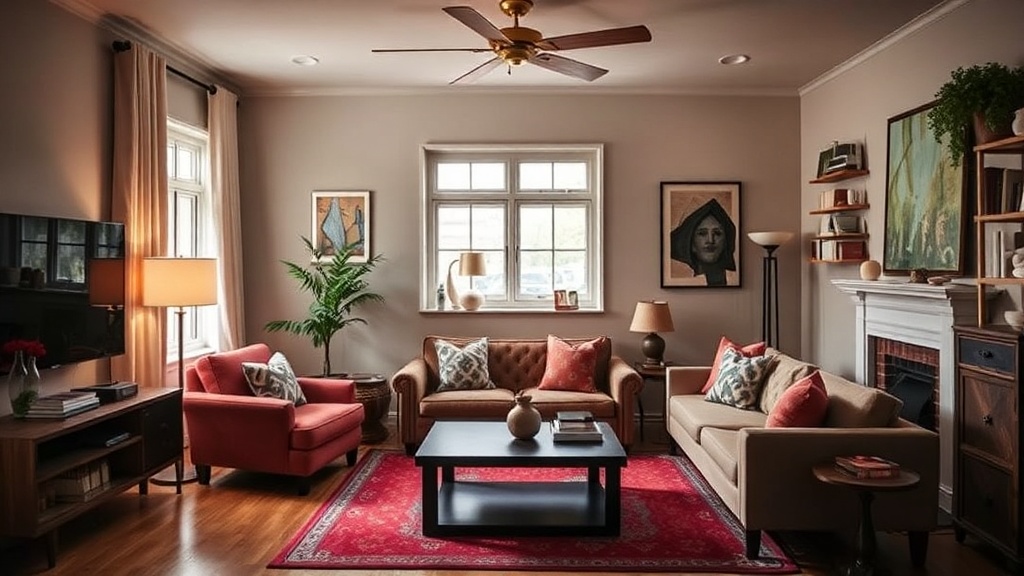
The Design Math of a Small Living Room: Build a Space That Actually Works (Without Buying New Furniture)

Listen—small living rooms are not the problem. Bad layout decisions are. I’ve seen 600 sq ft apartments feel like architectural poetry and 900 sq ft ones feel like a storage unit with a couch. The difference is not budget. It’s Design Math.
This is not about buying your way out of a bad layout. It’s about reworking what you already own so the room actually functions—and looks intentional.
We’re going to break this down like a blueprint, not a Pinterest board.
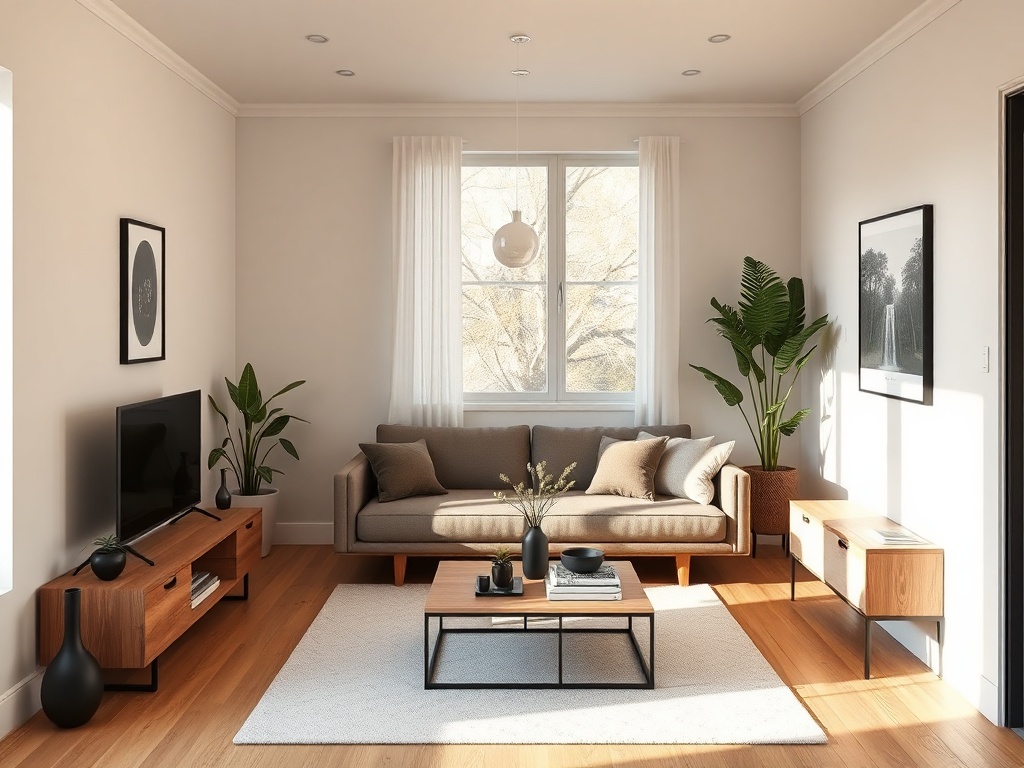
The Design Math: Why Most Small Rooms Fail
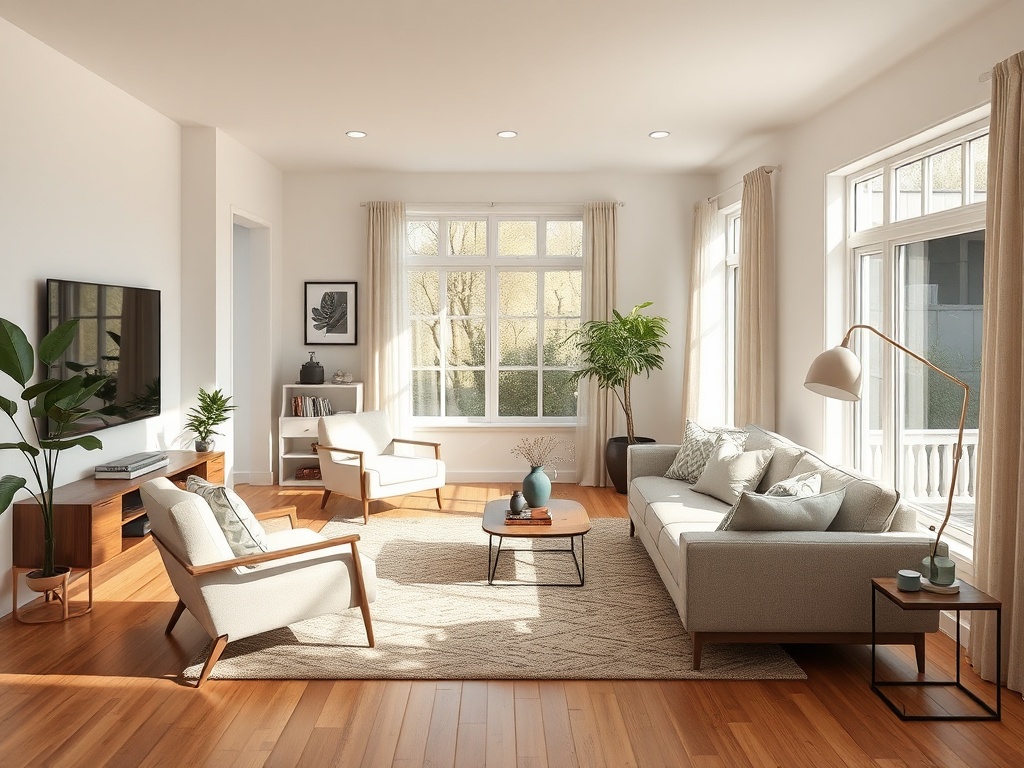
Here’s the brutal truth: most small living rooms fail because everything is pushed to the walls like it’s afraid of commitment.
People think "more floor space" equals "more room." It doesn’t. It creates dead zones and floating chaos.
The actual math:
- 60% anchor (main furniture zone)
- 30% movement (clear circulation paths)
- 10% visual relief (negative space + lighting)
If your room feels cramped, it’s usually because your anchor zone is undefined—or worse, competing with itself.
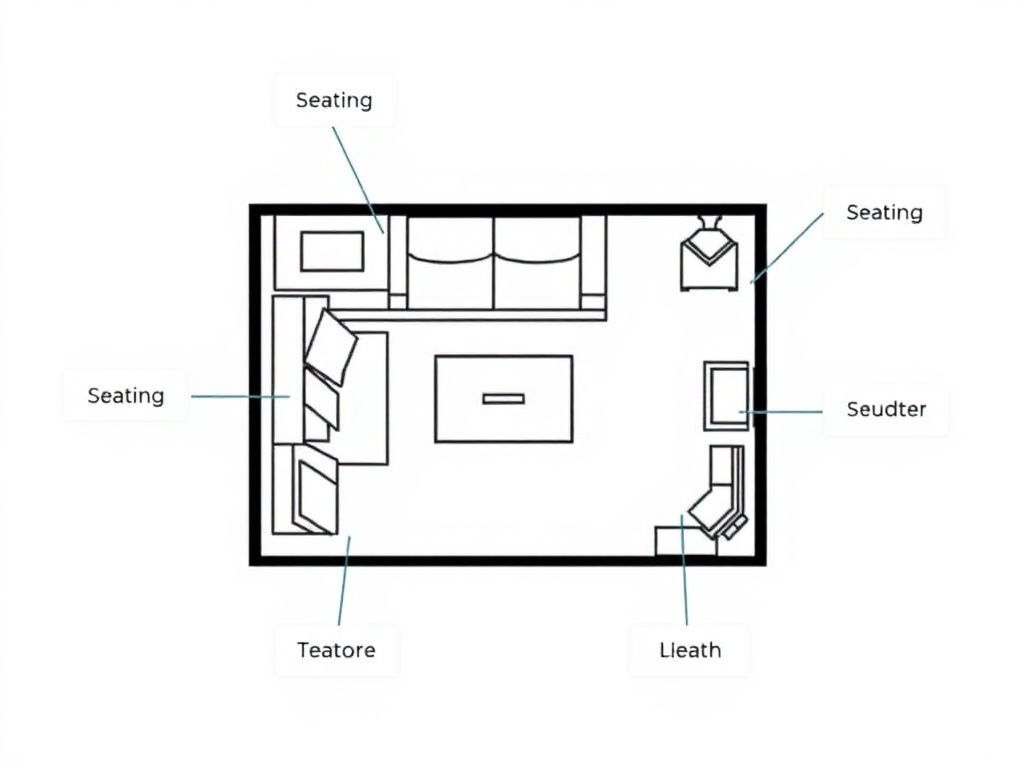
Step 1: Establish the Anchor (Your Room Needs a Spine)
Your anchor is not "the couch." It’s the relationship between your seating, your focal point, and your rug.
Start here:
- Pull your sofa 6–10 inches off the wall (yes, even in a small room)
- Center it on the primary sightline (TV, window, or focal wall)
- Use a rug that extends at least halfway under all seating
(If your rug is floating in the middle like a sad island, we fix that today.)
This creates a defined “room within the room.” That’s how you stop the space from feeling like a hallway with furniture.
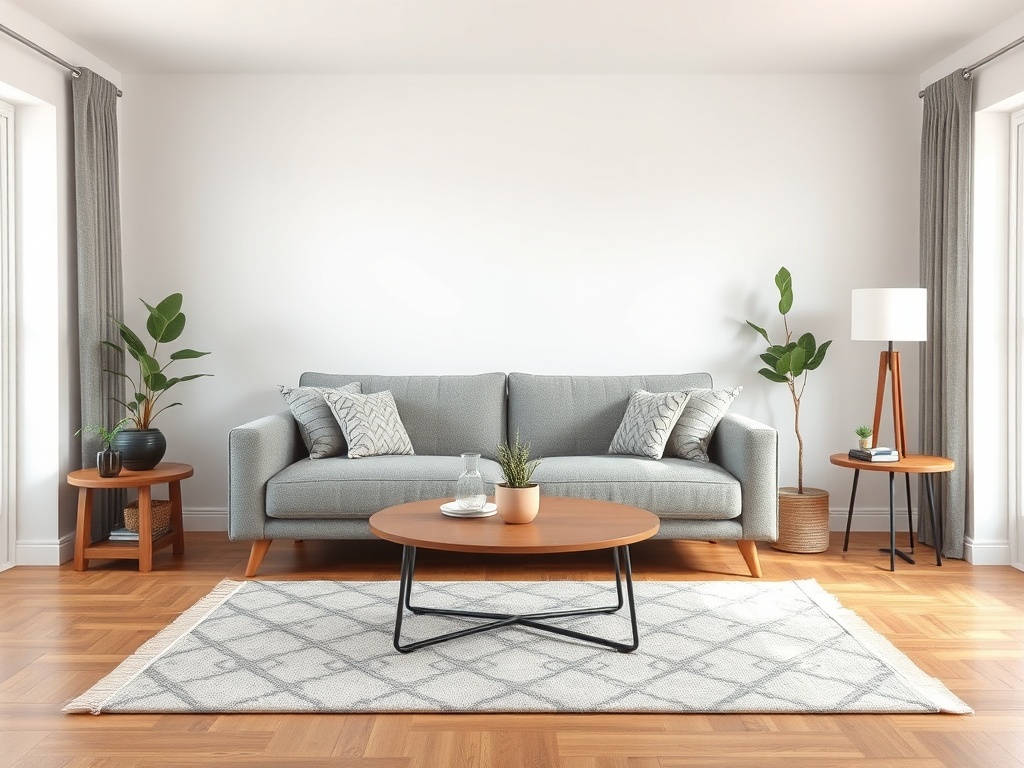
Step 2: Fix Your Circulation Paths (Stop Tripping Over Your Own Layout)
If you have to turn sideways to walk through your living room, your layout is wrong.
You need at least 30–36 inches of clear walking path. Non-negotiable.
Pro-ish Tip: Diagonal movement beats straight lines in small rooms. It tricks your brain into perceiving more space.
That means:
- Angle a chair slightly instead of forcing everything parallel
- Offset your coffee table instead of centering it perfectly
- Let pathways curve naturally
(Yes, this feels wrong if you love symmetry. That’s fine. We’re building a functional room, not a showroom catalog.)
Step 3: Scale Your Furniture Like You Mean It
Oversized furniture in a small room is the fastest way to kill it.
But here’s the nuance: undersized furniture is just as bad. It creates visual noise instead of presence.
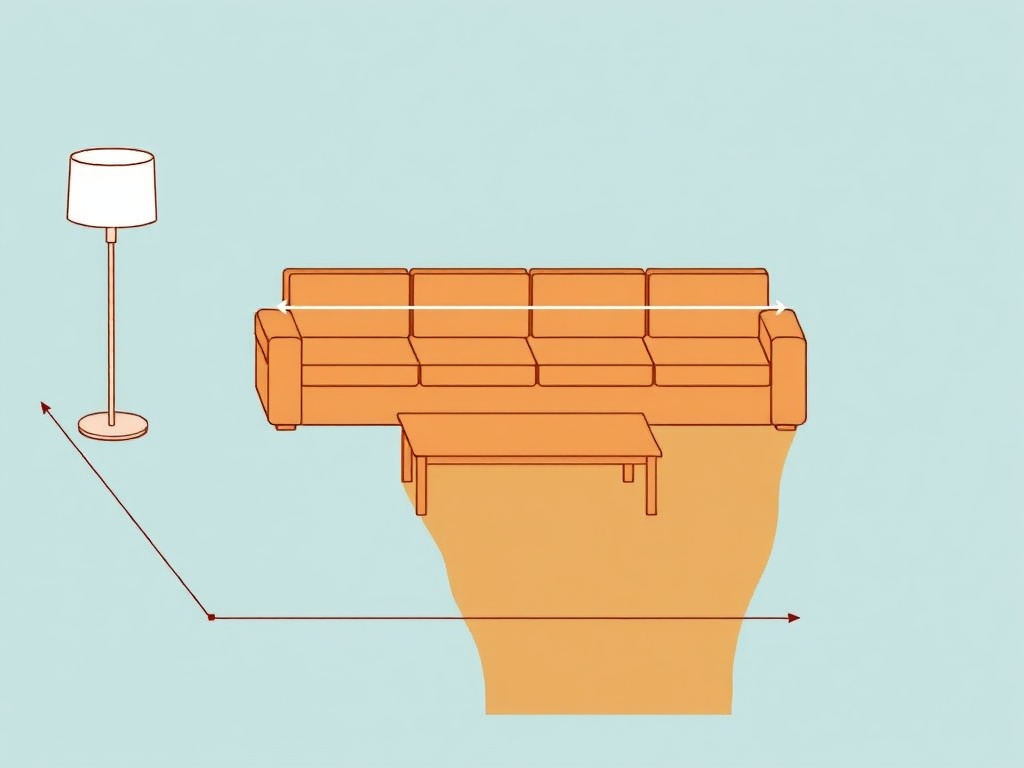
The fix is proportional scaling:
- Sofa depth: 32–36 inches max
- Coffee table: 2/3 the length of your sofa
- Side tables: within 2 inches of arm height
This is the difference between "cozy" and "cramped."
Step 4: Vertical Space Is Structural—Use It
If everything in your room exists below 36 inches, your space is visually suffocating.
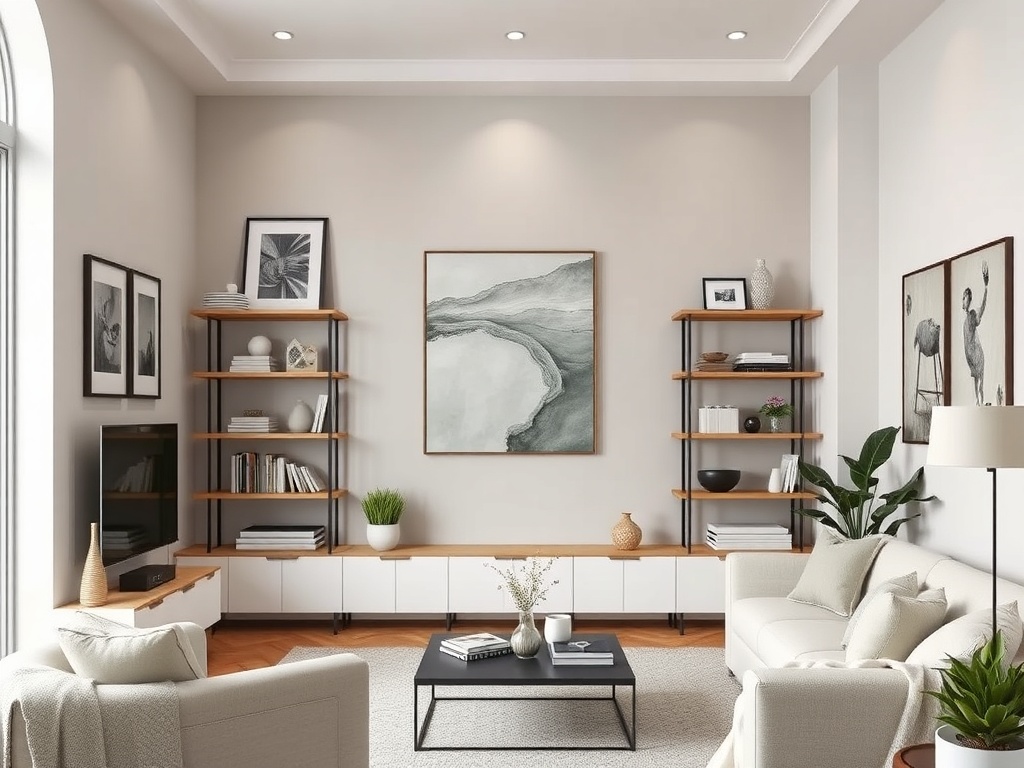
You need vertical anchors:
- Wall-mounted shelving (not bulky bookcases)
- Tall lamps instead of wide ones
- Art that starts at eye level—not couch level
We’re building upward, not outward.
(Also: stop hanging art too low. You’re not decorating a kindergarten classroom.)
Step 5: Material Discipline (Stop Mixing Chaos)
If your room feels messy, it’s probably not clutter—it’s material inconsistency.
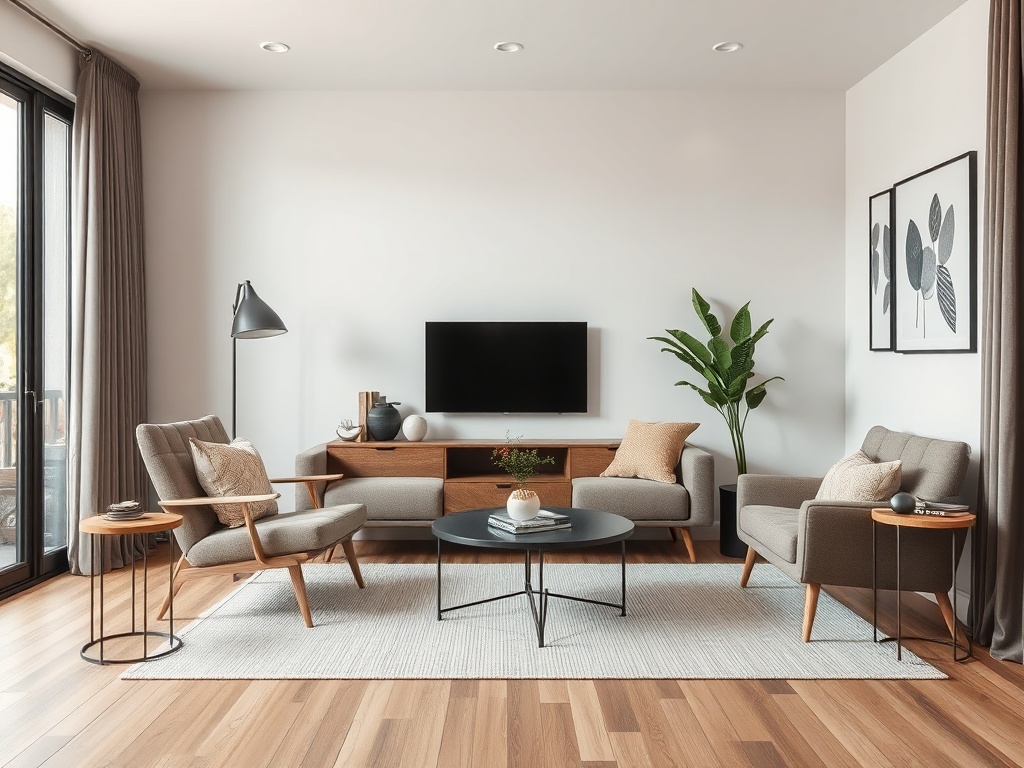
Limit yourself to:
- 1 primary wood tone (white oak if you’re asking me)
- 1 metal finish (matte black fixes most problems)
- 2–3 textiles max
This is the 60-30-10 rule applied to materials instead of color.
(And no, five different shades of "gray" do not count as cohesion.)
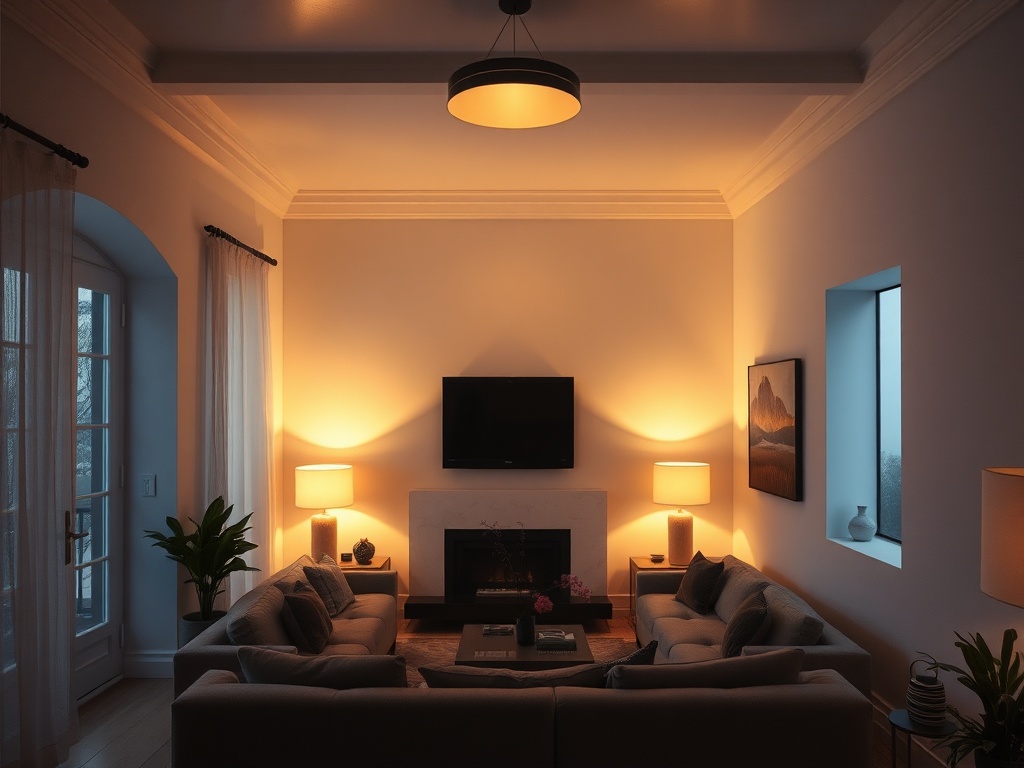
Step 6: Lighting Is Not Decoration—It’s Structure
Overhead lighting alone will flatten your room into oblivion.
You need layered lighting:
- Ambient (ceiling)
- Task (reading lamp)
- Accent (wall or shelf lighting)
Place light sources at different heights to create depth.
(If your room looks better at night than during the day, congratulations—you’ve accidentally done this right.)
The Cost Ledger (Because Layout Should Be Free)
| Item | Cost |
|---|---|
| Furniture repositioning | $0 |
| Rug adjustment (existing) | $0 |
| Wall anchors + screws | $8.12 |
| New LED bulb (warm 2700K) | $6.48 |
| Total True Cost | $14.60 |
That’s the point. Good design is not expensive. Bad decisions are.
Mistakes I’ve Made (So You Don’t Repeat Them)
- I once shoved a sofa against the wall for "space" and made the room unusable (I lasted 3 days)
- Used a rug that was too small—looked like furniture was fleeing from it
- Overfilled a room with "multi-functional" pieces that did nothing well
Every single one of those mistakes came from ignoring scale and flow.
Final Blueprint
If you take nothing else from this:
- Define your anchor
- Protect your walking paths
- Respect scale
- Use vertical space
- Limit your materials
- Layer your lighting
That’s it. That’s the system.
You don’t need new furniture. You need a better layout.
Let’s get into the sawdust.