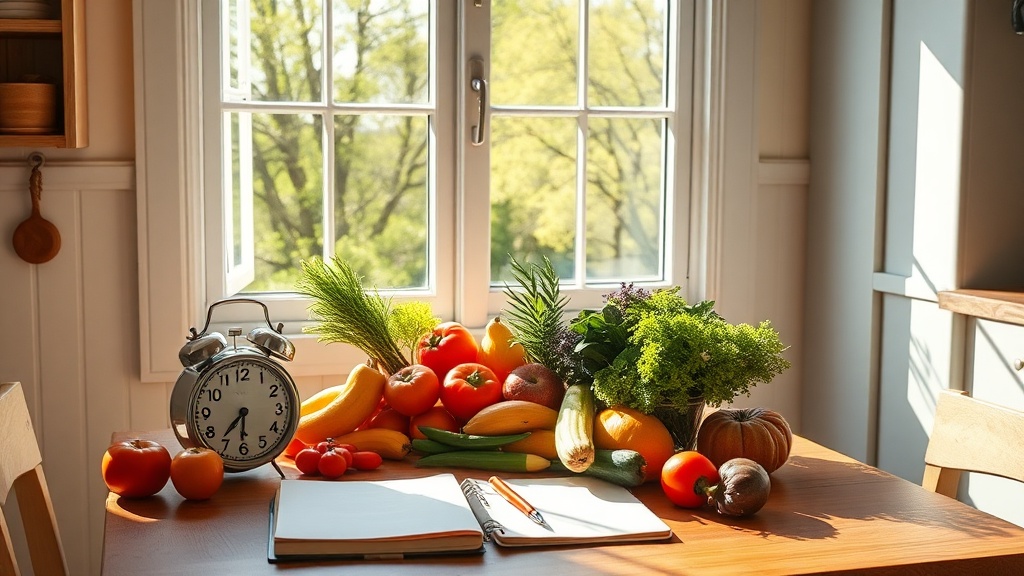
Spring Bio‑Harmony Meal Plan: Sync Your Circadian Rhythm for Energy

Hook:
Ever feel like your energy crashes just as the afternoon sun hits the window? I used to hit that wall every day—until I matched my meals to the sun’s schedule and felt my stamina actually rise with the daylight.
Context:
Spring’s longer days and fresh produce make it the perfect season to reset more than just your closet. By syncing what you eat with your body’s internal clock—what the science community calls bio‑harmony—you can boost energy, improve sleep, and keep your metabolism humming.
What Is Bio‑Harmony and Why Does It Matter?
"Our bodies are tuned to the 24‑hour light‑dark cycle; eating against that rhythm disrupts hormones and energy levels." — Harvard Health Publishing
Bio‑harmony is the practice of aligning meals with your circadian rhythm—the natural, roughly 24‑hour cycle that governs sleep, hormone release, and metabolism. When you eat at times that respect this rhythm, you support design‑math for your body, just like you’d respect load‑bearing calculations for a DIY shelf.
How Does Spring Amplify the Effect?
- Longer daylight: More natural light in the morning sets a stronger cue for cortisol, the hormone that wakes you up.
- Seasonal produce: Fresh, bright vegetables are packed with vitamins that help regulate melatonin, the sleep hormone.
- Milder evenings: Cooler temps make it easier to wind down, especially when you finish eating earlier.
The 3‑Day Spring Bio‑Harmony Meal Plan
Day 1 — Sunrise Start
- 7 am — Light‑Kick Breakfast: Greek yogurt with honey‑drizzled berries, a sprinkle of chia seeds, and a handful of toasted almonds. Why? Protein and healthy fats start the day without spiking insulin.
- 12 pm — Midday Power Lunch: Quinoa salad with roasted asparagus, cherry tomatoes, and a lemon‑olive‑oil vinaigrette. Tip: Add a scoop of Bernice‑approved (read: sturdy) chickpeas for fiber.
- 5 pm — Early Dinner: Pan‑seared salmon (or a plant‑based fillet) with a side of sautéed spring peas and wild rice. Reason: Eating dinner before 6 pm lets your body digest before the evening melatonin surge.
Day 2 — Mid‑Morning Momentum
- 8 am — Warm‑Up Oatmeal: Steel‑cut oats topped with sliced strawberries, mint, and a drizzle of maple syrup. Design note: Oats release glucose slowly, keeping you steady for the morning rush.
- 1 pm — Light Lunch: Whole‑grain wrap filled with hummus, spinach, shredded carrots, and avocado. Why avocado? Healthy fats help absorb the fat‑soluble vitamins in the greens.
- 4 pm — Snack Reset: A green apple and a small handful of walnuts. Science: A modest snack keeps blood sugar stable without triggering a late‑night hunger spike.
Day 3 — Evening Ease
- 9 am — Fresh Start Smoothie: Blend kale, frozen mango, a scoop of plant protein, and almond milk. Pro tip: Add a pinch of cinnamon for its insulin‑balancing properties.
- 2 pm — Light Lunch: Lentil soup with a side of rye toast and a dash of fresh herbs. Design‑savvy: Lentils are a low‑glycemic powerhouse that won’t crash your energy.
- 6 pm — Sunset Supper: Grilled chicken breast (or tofu) with roasted carrots, beets, and a quinoa‑herb pilaf. Finish with a cup of chamomile tea at least 30 minutes before bedtime.
Quick Tools to Keep Your Bio‑Harmony on Track
- Meal‑Timing App: I use a simple calendar reminder titled "Eat with the Sun" on my phone. Set alerts for 30‑minute windows before each meal.
- Seasonal Produce Checklist: Keep a list of spring veggies—radishes, snap peas, arugula, and strawberries—so you never run out of design‑math ingredients.
- Light Tracker: A cheap daylight sensor (under $15) placed near the kitchen window helps you see when natural light fades, nudging you to finish dinner early.
Common Pitfalls and How to Avoid Them
- Skipping Breakfast: Skipping the first meal throws off cortisol patterns. If you’re rushed, grab a Bernice‑approved grab‑and‑go protein bar.
- Late‑Night Snacking: Even a small snack after 8 pm can delay melatonin release. If cravings hit, sip warm water with a slice of lemon.
- Ignoring Hydration: Dehydration mimics fatigue. Aim for 2 L water before noon; add cucumber slices for a spring twist.
Takeaway: Your Spring Reset Blueprint
Start tomorrow. Align your first bite with sunrise, finish dinner before the evening light wanes, and let the season’s fresh produce fuel your rhythm. In just three days you’ll feel the design‑math of your body click into place—more energy, clearer focus, and a smoother transition into summer.
Related Reading
- Spring Digital Detox: A 7‑Day Plan to Reset Your Tech Habits for Better Sleep and Focus — Pair your meal plan with a screen‑free evening for maximal melatonin boost.
- DST Smart Home Reset: Boost Sleep & Cut Energy Bills This Spring — Automate lighting to reinforce your bio‑harmony schedule.
- Spring Refresh: Air‑Purifying Houseplants for Renters — Clean air supports better sleep, completing the circadian loop.
{
  "meta": {
    "faqs": [
      {"question": "What is bio‑harmony and how does it affect energy levels?", "answer": "Bio‑harmony means syncing your meals with your body’s circadian rhythm, which helps regulate hormones and keeps energy steady throughout the day."},
      {"question": "Why should I finish dinner before 6 pm?", "answer": "Eating earlier allows your digestive system to finish before melatonin rises, promoting better sleep and next‑day alertness."},
      {"question": "Can I adapt this plan for a vegetarian diet?", "answer": "Absolutely—swap animal proteins for beans, tofu, or tempeh while keeping the timing and portion sizes the same."}
    ]
  }
}