Why Does My Hardwood Floor Look Dull and How Do I Restore the Shine?

Why Do My Hardwood Floors Look Flat and Lifeless?
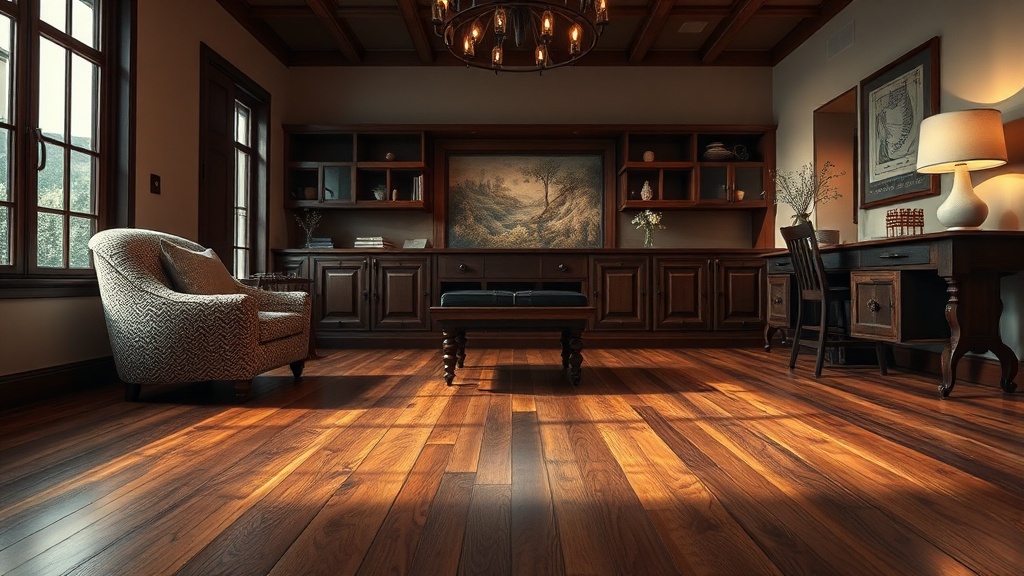
Ever walked into a room and felt like the light just... dies on the floor? You've spent a fortune on solid oak or engineered hardwood, yet it looks more like a chalkboard than a high-end surface. It isn't always a lack of cleaning; often, it's a structural issue with the finish. Over time, microscopic scratches and the buildup of household residues create a dull film that prevents light from bouncing. We're talking about the difference between a floor that glows and one that just looks gray and tired. Understanding the physics of light reflection—specifically how a surface's smoothness dictates its luster—is the first step to a fix. If the finish is actually compromised, no amount of soap will bring that glow back.
When we look at floor degradation, we look at three things: the topcoat, the grit, and the moisture levels. A dull floor usually suffers from one of two things: a worn-down polyurethane layer or a build-up of wax and residue. If the finish is actually worn through to the wood grain, you're looking at a sanding-and-resealing job. But if it's just surface-level-dullness, we can fix it with much less grit and more precision. Before you reach for the sandpaper, we need to determine if we're dealing with a surface buildup or a structural finish loss.
Can I Fix My Wood Floor Without Sanding?
The short answer is yes, provided the finish hasn't actually worn through to the raw wood. Most people jump straight to the heavy machinery, but that's a massive, dusty undertaking that requires a drum sander and a lot of patience. If your floor is just looking matte, you likely need a surface rejuvenation rather than a full-scale refinish. This is where the math of friction and chemistry comes in. You're essentially cleaning the surface at a molecular level to remove the junk that's blocking the light.
A reliable method to test this is the water drop test. If you place a tiny bead of water on a section of the floor and it stays a bead, your finish is intact. If it soaks in and turns the wood dark, you've hit raw wood, and you've got a structural problem. If it stays a bead but the floor looks dull, you're in the clear for a non-invasive fix. You can use a high-quality hardwood floor cleaner to strip away the grime. Avoid anything with oils or waxes that promise a "shine"—these are often just temporary coatings that eventually turn into a sticky, dull mess. Instead, look for pH-neutral cleaners that don't leave a residue behind. You can find technical specs on proper wood care through the National Wood Flooring Association to ensure you aren't harming the wood with harsh chemicals.
The Difference Between Buffing and Sanding
Think of buffing as a light exfoliation and sanding as a complete skin resurfacing. Buffing involves using a fine abrasive pad (often called a floor buffer or a floor polisher) to smooth out the microscopic imperfections in the topcoat. It doesn't remove the finish; it just cleans and slightly roughens it so a new coat of polish can bond. Sanding, on the other hand, is an aggressive removal of the wood's top layers. If you go too hard with a buffer, you'll create a "flat" spot that looks different from the rest of the room. Precision is everything here.
If you choose to buff, you're essentially preparing the surface for a fresh layer of finish. This is a mid-level DIY project that requires a steady hand and a clear understanding of the grit progression. You'll want to start with a very fine grit to remove the old residue, then move to a polishing pad to bring back the luster. It's a way to reset the clock without the chaos of a full renovation.
What Is the Best Way to Maintain a High-Gloss Finish?
Maintenance is a game of prevention. Once you've achieved that perfect, light-reflecting surface, you have to protect it from the friction that causes dullness. Most dullness comes from "micro-abrasions"—the tiny bits of grit from your shoes or pets that act like sandpaper on your floor every single day. This is why a high-quality rug or a heavy-duty mat at every entryway isn't just a decor choice; it's a structural defense for your floor.
To keep the gloss, you must control the environment. Extreme humidity swings can cause the wood to expand and contract, which creates tiny cracks in the finish. If the finish cracks, it loses its ability to reflect light uniformly. Keep your home's humidity between 35% and 55% to keep the wood stable. When cleaning, use a microfiber mop rather than a wet mop. Too much water is the enemy of wood; it can seep into the grain and cause the finish to lift or cloud up. For a professional-grade approach to long-term care, check out the maintenance guidelines provided by WoodFloors of America to understand how moisture affects different wood species.
One final tip: stop using "all-purpose" cleaners on your hardwood. Most of these contain ingredients that leave a film. That film is exactly what creates that hazy, dull look over time. Stick to a dedicated wood floor cleaner, and always use a damp (not wet) cloth. If you see a dull spot forming, don't just add more polish. Clean the spot thoroughly first. If the polish is still there, you're just adding layers of gunk that will eventually peel. Treat your floor like a precision instrument, and it will hold its shine for decades.
| Method | Difficulty | Impact | Risk Level |
|---|---|---|---|
| Microfiber Mop & pH Neutral Cleaner | Low | Surface Clean | Very Low |
| Floor Buffing/Polishing | Medium | Mid-level Shine | Moderate |
| Full Sanding & Refinishing | High | Complete Reset | High |