Upcycled Flooring Ideas for a Spring Refresh: DIY Projects Inspired by Oscar‑Winning Set Design

What if the same floor that dazzled the Academy Awards could be the centerpiece of your living room? That’s exactly the spark behind this guide: taking the Oscar‑winning set designers’ knack for repurposing materials and turning it into three budget‑friendly, spring‑ready flooring projects you can tackle yourself.
Every March, as daylight stretches an hour longer, homeowners scramble for a “spring refresh.” While fresh paint and new cushions are the usual go‑to, the floor is the silent foundation that truly sets the mood. By upcycling—reclaiming wood pallets, recycling glass, or re‑imagining old textiles—you get a unique look, a lighter carbon footprint, and a story worth bragging about at dinner parties.
What are the best upcycled flooring materials for a spring makeover?
1. How can reclaimed wood pallets become a stylish, sturdy floor?
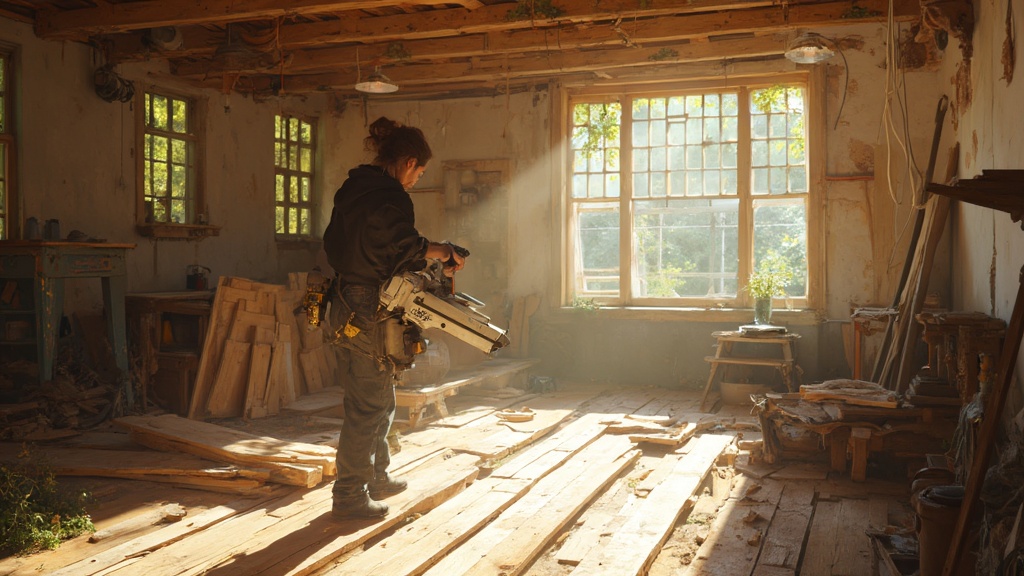
Reclaimed pallets are the DIY holy grail: cheap, abundant, and already sanded down by the logistics chain. Here’s how I—armed with my faithful miter saw, Bernice—turn them into a polished, structural floor.
- Materials & cost: 12‑ft pallets ($3‑$5 each), sandpaper ($15), polyurethane sealant ($20), wood filler ($10). Total: <$100 for a 150‑sq‑ft room.
- Steps:
- Inspect each pallet for rot or nail protrusions. Discard any that feel spongy.
- Lay pallets in a staggered brick pattern; this distributes load and hides seams.
- Use Bernice to cut pallets to size, trimming excess at the walls.
- Sand the surface on a belt sander (120‑grit then 220‑grit) to smooth splinters.
- Fill gaps and nail holes with wood filler; sand smooth once dry.
- Apply two coats of water‑based polyurethane, sanding lightly between coats.
- Style pairing: Pair the warm, reclaimed tones with crisp white walls and a structurally‑sound reclaimed wood coffee table for a cohesive, architect‑approved look.
2. Why is recycled glass tile a chic, spring‑friendly option?
When the Oscars crew stripped the glittering glass backdrops from this year’s ceremony, they didn’t toss them—they turned them into floor tiles for the after‑party lounge. You can replicate that sparkle without the Hollywood price tag.
- Materials & cost: Recycled glass tile sheets (12‑in squares, $2‑$3 each), thin‑set mortar ($30 for 50 lb bag), grout ($15), rubber underlayment ($20). Total: ~$150 for 200 sq‑ft.
- Steps:
- Lay down a rubber underlayment to cushion the glass and prevent cracking.
- Mix thin‑set mortar according to the manufacturer’s instructions.
- Press each glass tile into the mortar, leaving ¼‑inch grout lines.
- After the mortar cures (24 hrs), sweep grout into the lines and wipe excess.
- Seal the grout with a penetrating sealant to protect against moisture.
- Style pairing: Pair the reflective surface with pastel‑colored furniture and a few essential tools to keep the space feeling light, not cluttered.
3. How can repurposed textile rugs become a soft, eco‑friendly floor?
Old denim, woven blankets, or even vintage concert tees can be transformed into a low‑profile, cushioned floor that’s perfect for a sun‑lit hallway or a reading nook.
- Materials & cost: Scraps of denim or woven fabric ($0‑$10), heavy‑duty fabric glue ($12), spray adhesive ($8), optional backing board ($20). Total: <$50.
- Steps:
- Cut fabric into uniform squares (12‑in) or strips, depending on desired pattern.
- If you want extra durability, glue the fabric onto a thin plywood backing.
- Use a spray adhesive to attach the pieces directly onto a clean subfloor.
- Seal the finished rug with a clear, water‑based sealant to resist spills.
- Style pairing: Mix denim blues with pastel accent pillows for a relaxed, spring‑vibe. The look pairs nicely with the broader sustainable‑living guide we published earlier this month.
What are the cost and time estimates for each project?
All three projects can be completed over a weekend, assuming you dedicate 4‑6 hours each. Here’s a quick breakdown:
| Project | Materials Cost | Time Required | Difficulty (1‑5) |
|---|---|---|---|
| Reclaimed pallet floor | $90‑$120 | 6‑8 hrs | 3 |
| Recycled glass tiles | $150‑$180 | 8‑10 hrs | 4 |
| Repurposed textile rug | $30‑$50 | 4‑5 hrs | 2 |
How do I maintain upcycled flooring for long‑term durability?
Upcycling doesn’t mean you sacrifice longevity. Treat your new floor like any other surface:
- Apply a UV‑resistant sealant on wood or glass floors to guard against sun‑fade.
- Place felt pads under heavy furniture to prevent dents.
- Vacuum or sweep regularly—avoid harsh chemicals on textile rugs; a gentle steam clean works best.
- Inspect seams annually; re‑apply sealant where needed.
Takeaway: By borrowing the Oscars’ set‑reuse mindset, you can give your home a spring‑fresh, sustainable floor without breaking the bank. Choose the material that matches your skill level, budget, and style, and you’ll have a conversation‑starter that’s as sturdy as a well‑designed blueprint.
Related Reading
- The Reclaimed Wood Deception: Why Your ‘Eco‑Friendly’ Table Is Structurally Compromised — Learn how to evaluate reclaimed wood before you buy.
- 7 Unexpected Materials for Budget‑Friendly DIY Countertops — More ideas for turning waste into gorgeous surfaces.
- The Small Hardware Upgrade That Makes Cheap Furniture Feel Expensive — Pair your new floor with upgraded hardware for a high‑end feel.