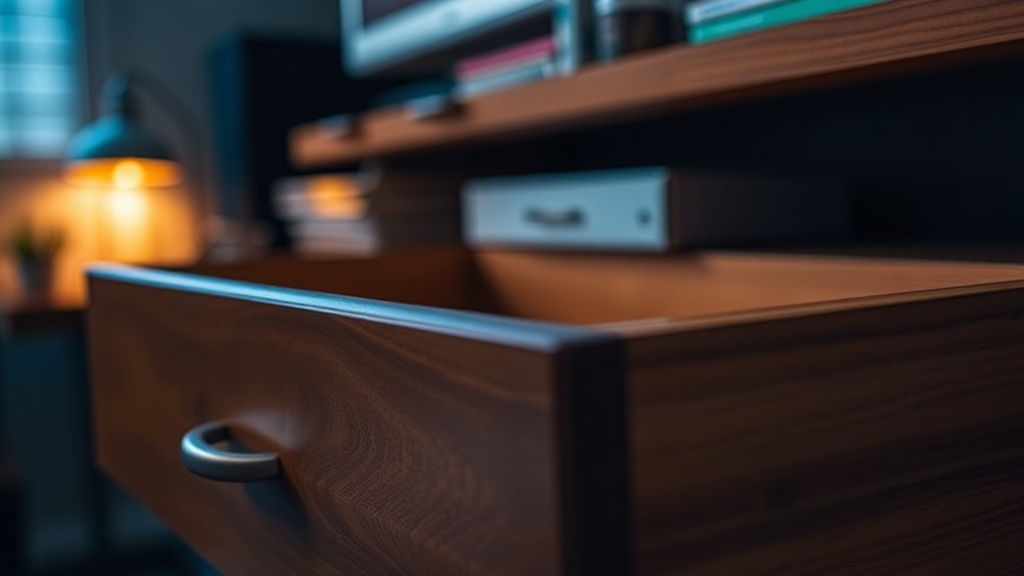
Stop Your Drawer From Sticking with This Simple Trick

Quick Tip
Rub a plain white candle or a bar of soap along the wooden tracks to create a smooth, lubricated surface.
The sound of a wooden drawer catching mid-slide—that jarring, stuck resistance—is often a sign of friction caused by humidity or wood swelling. Whether it is a vintage dresser from a thrift store or a custom built-in, a sticking drawer disrupts the flow of your kitchen or bedroom. This guide provides a three-step diagnostic and repair process to get your drawers gliding smoothly again using basic shop supplies.
Identify the Source of Friction
Before you reach for a tool, you need to determine if the issue is structural or surface-based. Open the drawer fully and look for where the wood is making contact with the frame or the drawer slides. Check for these three common culprits:
- Seasonal Swelling: If the drawer sticks more often in summer, the wood has absorbed moisture and expanded.
- Loose Hardware: Check if the metal runners or wooden tracks have shifted or become loose from the carcass.
- Debris or Build-up: Look for old paint chips, sawdust, or even a stray utensil that has fallen behind the drawer front.
The Quick Fix: Lubrication and Smoothing
If the drawer is simply sticking due to surface friction, you do not need to disassemble the entire piece of furniture. Start with the least invasive method and work your way up.
Step 1: The Dry Lubricant Method
For wooden tracks, avoid using oil or WD-40, as these can attract dust and create a gummy mess over time. Instead, grab a block of paraffin wax or a plain white waynes wax candle. Rub the wax vigorously along the contact points of both the drawer sides and the interior tracks of the cabinet. This creates a low-friction barrier that allows the wood to slide without catching.
Step 2: Sanding the High Spots
If the wax doesn't solve it, the wood has likely expanded too much for the current clearance. Use a 120-grit sandpaper to lightly sand down the specific area where the drawer is catching. Do not sand the entire side of the drawer; focus only on the "high spot" you identified during your inspection. Once the friction is gone, finish the area with a 220-grit sandpaper to ensure a smooth surface. If you are working on a piece of furniture you recently refinished, you might want to fix scratched wood furniture or re-seal the sanded area to prevent future moisture absorption.
When to Adjust the Hardware
If your drawer uses metal ball-bearing slides rather than wooden runners, the issue is likely a loose screw or a bent track. Use a Phillips head screwdriver to tighten every screw on the slide mechanism. If the drawer is still uneven, you may need to slightly bend the metal track back into alignment using a pair of locking pliers. Always ensure the drawer is completely removed before attempting to adjust metal hardware to avoid damaging the mechanism.