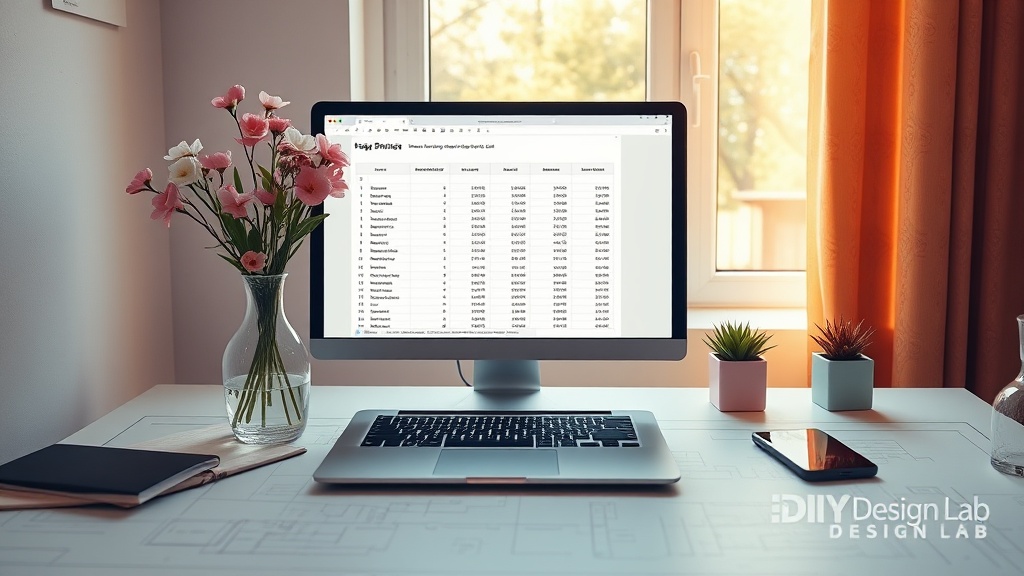
Spring Financial Checkup: Refresh Your Budget After Tax Season

Did you know the IRS reported a 12% jump in average refunds this year? That extra cash can feel like a windfall—if you don’t let it slip through the cracks.
I'm Sloane, the former architect turned DIY designer who treats a $20 thrift‑store find with the same structural respect as a skyscraper. That same rigor applies to your money: a spring budget audit is just as essential as a spring home audit.
Why do a post‑tax budget refresh now?
Tax season wraps up in April, and the money you receive—whether a refund or a tighter paycheck—creates a natural checkpoint. A fresh budget helps you:
- Redirect windfalls into emergency funds or sustainable investments.
- Identify subscription creep before it erodes your savings.
- Renegotiate recurring bills while rates are still negotiable.
Think of it as design‑math for your finances: you measure, you adjust, you build something that lasts.
What are the first steps to audit your cash flow?
1. Gather every recurring expense in one place
Pull your bank statements, credit‑card bills, and any app‑based subscriptions (Spotify, Netflix, Adobe). I call this the "Bernice method"—named after my trusty miter saw—because you line everything up before you cut.
DIY Home Energy Audit 2026 taught me how a simple spreadsheet can reveal hidden leaks; the same spreadsheet works for money.
2. Spot the subscription creep
Look for services you haven’t used in the last 30 days. Cancel or downgrade them. A recent CNBC analysis shows the average household spends $237 a year on forgotten subscriptions.
3. Renegotiate bills before rates rise
Call your internet, cable, and phone providers. Mention competitor offers and ask for a loyalty discount. If they can’t budge, consider switching—your quarterly budget will thank you.
How should you allocate your tax refund?
Emergency fund first
Financial security starts with a cushion. Aim for three to six months of expenses. If you’re below that, stash at least half of your refund there.
Pay down high‑interest debt
Credit‑card balances >15% APR are financial termites. Knocking them down saves you more than any investment could.
Invest in sustainable, low‑maintenance upgrades
Use a portion of the refund for upgrades that lower future bills—smart thermostats, LED lighting, or better insulation. Smart Thermostat Installation is a classic win.
What DIY financial tools can you build this spring?
Design‑Math Budget Spreadsheet
Set up columns for income, fixed costs, variable costs, and “design‑math adjustments.” Use conditional formatting to flag any line item over 10% of your monthly income.
Cost Ledger for Projects
Just like my Cost Ledger for furniture builds, track every dollar you spend on home improvements. It keeps you honest and lets you see ROI instantly.
Automatic Contribution Scheduler
Set up auto‑transfers to your emergency fund, retirement account, or investment platform the day after each paycheck. Automation removes the "I’ll do it later" excuse.
Where can you learn more about smart budgeting?
- Consumer Financial Protection Bureau – Budgeting Tools
- NerdWallet’s Guide to Budgeting
- Lumber Prices 2026 – a case study in tracking price trends that can be applied to any expense.
- How Renters Can Cash In on 2026 Smart Thermostat Rebates
Takeaway: Your Spring Budget Blueprint
1️⃣ List every recurring expense.
2️⃣ Cut or downgrade unused subscriptions.
3️⃣ Call and negotiate your utility bills.
4️⃣ Funnel at least 50% of your refund into an emergency fund or debt payoff.
5️⃣ Invest the rest in low‑maintenance upgrades that save money long‑term.
6️⃣ Automate contributions and track everything in a Design‑Math spreadsheet.
Do it now, and you’ll finish the season with not just a cleaner home, but a sturdier financial foundation.