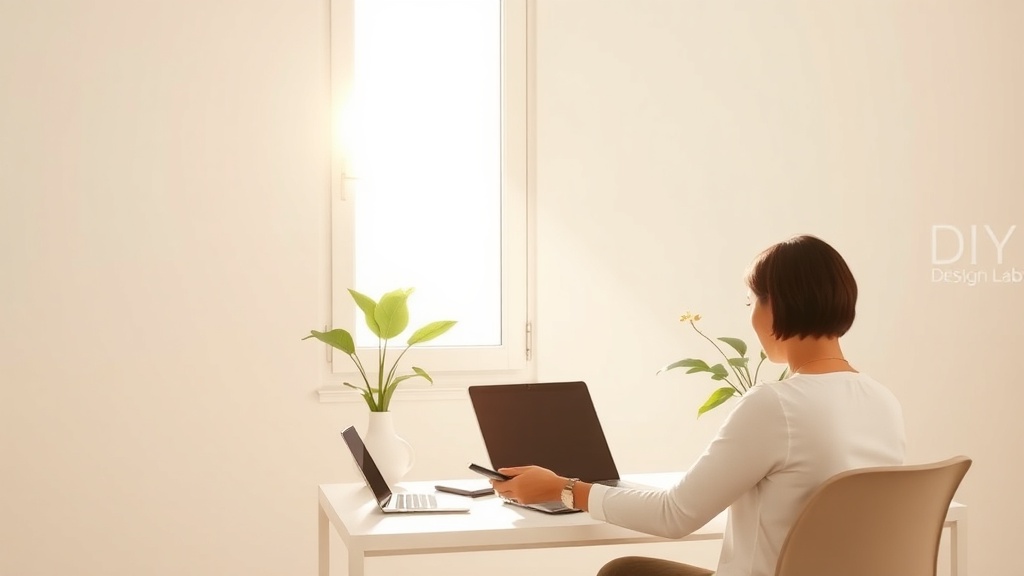
Spring Digital Detox: A 7‑Day Plan to Reset Your Tech Habits for Better Sleep and Focus

Ever feel like your phone is the boss of you? You’re not alone—by the end of a typical workday most of us have logged more than eight hours of screen time, and that constant glow is sabotaging our sleep and focus, especially now that daylight‑saving time has shoved an extra hour of daylight into our evenings.
Why does spring make the perfect moment for a digital detox?
Daylight saving isn’t just a bureaucratic annoyance; it’s a biological reset button. Our circadian rhythm — the body’s internal clock that governs sleep, hormone release, and even mood — is tightly synced to natural light. When we flood our evenings with blue‑light from phones and laptops, we tell our brain it’s still daytime, delaying melatonin production and wrecking sleep quality. The Sleep Foundation notes that aligning screen habits with sunrise and sunset can improve sleep latency by up to 30%.
What’s the cost of ignoring screen overload?
Beyond groggy mornings, excessive screen time is linked to reduced attention span, heightened stress, and even metabolic issues. A 2025 Harvard Health Publishing study found that adults who exceed three hours of recreational screen time per day are 20% more likely to report symptoms of anxiety and depression. In short, the tech we love is stealing our well‑being.
How can a 7‑day plan restore balance?
Think of it like a spring cleaning checklist, but for your digital life. Each day adds a small, concrete habit that builds on the last, so you’re not trying to quit cold turkey — which, let’s be honest, would make Bernice (my trusty miter saw) feel jealous of the precision we’re about to bring to our screens.
Day 1: How do I start the morning with natural light?
Skip the alarm‑clock glow. Open your curtains as soon as the sun peeks in and let sunlight flood your bedroom for at least 15 minutes. If natural light is scarce, a full‑spectrum lamp (5000 K) works just as well. This jump‑starts your circadian rhythm and reduces morning grogginess.
Day 2: Where should I create screen‑free zones?
Designate at least two areas in your home where no devices are allowed — think the kitchen table and your bedroom. Put a simple sign that reads “No Screens, Just Hands‑On” to remind you. The rule is strict: no phones, tablets, or laptops, even for a quick check.
Day 3: How do I audit my app usage?
Open your phone’s built‑in screen‑time report (iOS Settings → Screen Time; Android Settings → Digital Wellbeing). Identify the top three time‑sinks and set daily limits for each. When the limit pops, lock the app and move on to a non‑digital task.
Day 4: What offline hobby can replace scrolling?
Pick a tactile activity that you can do in under 30 minutes — sketching a floor plan, assembling a simple bookshelf, or even watering your garden bed. The key is physical engagement; it signals to your brain that you’re present in the moment.
Day 5: How should I restructure my evening wind‑down?
Power down all screens at least one hour before bedtime. Swap the glow for a dim lamp and read a physical book, journal, or plan your next DIY project. If you need a timer, use a kitchen timer — no smartphone needed.
Day 6: What tech tools can actually support my detox?
Ironically, a few pieces of tech can help. Set up a smart plug to automatically turn off Wi‑Fi after 10 PM, or use a blue‑light‑filter app (like f.lux) for the remaining screen time. Remember, the goal is to *reduce* reliance, not to replace one problem with another.
Day 7: How do I lock in the new habits?
Review your screen‑time report one final time. Celebrate any wins — maybe you’ve shaved 45 minutes off nightly scrolling. Write down the three habits that felt most impactful and commit to repeating them weekly. Treat this as a spring‑time maintenance checklist for your mental architecture.
What’s the payoff?
After a week, most people notice faster sleep onset, clearer focus during work, and a surprising surge in creative energy — perfect for tackling that furniture upcycle you’ve been postponing. In my own test run, I shaved two hours off my nightly screen time and woke up feeling “architect‑ready” for the day.
Ready to reboot?
Pick up the plan, print it, and hang it on your fridge. The spring light is already doing the heavy lifting; now it’s your turn to align your tech habits with nature’s rhythm.
Related Reading
- DST Smart Home Reset: Boost Sleep & Cut Energy Bills This Spring — How daylight‑saving can be leveraged for better sleep.
- Spring Cleaning Mastery: Practical Tips for a Fresh Home — Pair your digital detox with a physical space refresh.
- Smart Home Doesn’t Mean Dumb Decisions — Choose tech that serves you, not the other way around.