Spring Cleaning Mastery: Practical Tips for a Fresh Home

Spring Cleaning Mastery: Practical Tips for a Fresh Home
Hook: Ever stare at a closet full of boxes and wonder why the dust never seems to go away? Spring is the perfect moment to flip the script, turn chaos into order, and give your space the architectural respect it deserves.
Context: As a former architect turned DIY designer, I’ve learned that a clean home isn’t just about aesthetics—it's about structural integrity, indoor air quality, and the mental clarity that comes from a well‑organized space. Let’s break down the seasonal cleaning ritual into actionable steps you can start today.
What Are the Core Areas That Need a Spring Reset?
Every home has three high‑impact zones that, when tackled, instantly elevate the overall feel of the space:
- Floors and Foundations: Dust, grit, and hidden moisture can compromise wood and concrete alike.
- Airflow & Ventilation: Stale air traps allergens and can warp lightweight finishes.
- Storage & Surfaces: Cluttered closets and countertops hide the very tools you need for future projects.
How Do I Prepare the Right Toolkit for an Efficient Clean?
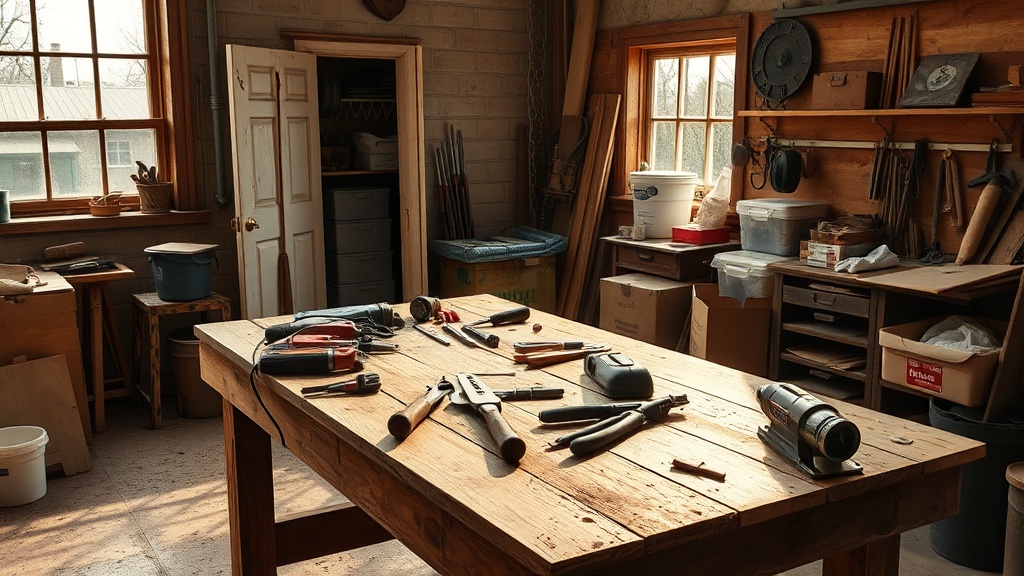
Skipping the right tools is a classic rookie mistake. Here’s the no‑glue‑gun kit I keep by the utility sink:
- Micro‑fiber mop & dust mop: Captures 99% of fine particles without scratching finishes.
- HEPA‑rated vacuum: Essential for homes with hardwood or low‑pile rugs.
- Adjustable screwdriver set (my "Bernice" companion): Perfect for removing and reinstalling hardware on cabinets.
- White vinegar & baking soda: A non‑toxic, biodegradable cleaning duo.
- Reusable silicone cleaning gloves: Protect hands and provide extra grip on stubborn grime.
For a deeper dive on essential tools, see my 7 Essential Tools Every DIY Designer Should Own.
What Step‑by‑Step Process Guarantees a Thorough Floor Refresh?
Floors are the foundation of any room. Follow this three‑stage routine:
- Dry Sweep & Vacuum: Use a soft‑bristle brush attachment to pull up dust from grout lines and floor seams.
- Spot‑Treat Stains: Mix one part white vinegar with two parts water, apply with a spray bottle, and let sit 5‑minutes before wiping.
- Seal & Protect: For hardwood, apply a thin coat of low‑VOC polyurethane (I recommend a water‑based finish for faster drying). For tile, re‑grout any cracked lines using a polymer‑enhanced mortar.
Need a detailed guide on sealing hardwood? Check out The $90 Paint Job That Outlasts Every Chalk‑Paint Hack for the same design‑math approach.
How Can I Boost Indoor Air Quality While Cleaning?
Spring pollen and indoor dust love to mingle. Here’s a quick air‑filter routine:
- Replace HVAC filters with a MERV‑13 rating (or higher) to trap finer particles.
- Run a portable HEPA air purifier in the bedroom for at least 30 minutes daily.
- Open windows for a 15‑minute cross‑breeze after each cleaning session to flush out lingering fumes.
The U.S. Environmental Protection Agency (EPA) recommends keeping indoor humidity between 30‑50% to deter mold growth. See their Indoor Air Quality guide for more details.
What Are the Best Practices for Decluttering and Organizing Storage?
Decluttering is where design meets psychology. Use the “Three‑Box Method”:
- Keep: Items you use weekly and that add functional value.
- Donate/Recycle: Good‑condition items you haven’t used in six months.
- Discard: Broken or outdated pieces (don’t forget to recycle electronics responsibly).
Label each box with a waterproof marker and store them on the top shelf of your closet for easy access. For a sustainable storage twist, read Spring Refresh: Embracing Sustainable Living in 2026 to learn about upcycled shelving solutions.
How Do I Make My Spring Cleaning More Sustainable?
Eco‑friendly cleaning isn’t a trend; it’s a cost‑saving habit. Swap disposable wipes for reusable microfiber cloths, and choose plant‑based cleaners (like the vinegar‑baking‑soda combo). The American Cleaning Institute reports that using reusable tools can cut household cleaning waste by up to 40%.
For a deeper dive on sustainable DIY projects, see my Raised Garden Bed That Won’t Rot guide.
Takeaway
Spring cleaning is more than a weekend chore—it’s an opportunity to apply architectural precision to everyday life. Arm yourself with the right tools, follow a systematic floor‑to‑ceiling routine, and you’ll end the season with a home that feels as solid as a well‑engineered beam. Ready to start? Grab your screwdriver, fire up the vacuum, and let’s make this spring the cleanest yet.
Frequently Asked Questions
- What are the essential tools for spring cleaning? A micro‑fiber mop, HEPA vacuum, adjustable screwdriver set, white vinegar, baking soda, and silicone gloves.
- How often should I deep clean my home? Aim for a thorough deep clean each spring, with spot‑cleaning of high‑traffic areas monthly.
- How can I make spring cleaning more sustainable? Use reusable cloths, plant‑based cleaners, and recycle or donate unwanted items instead of tossing them.