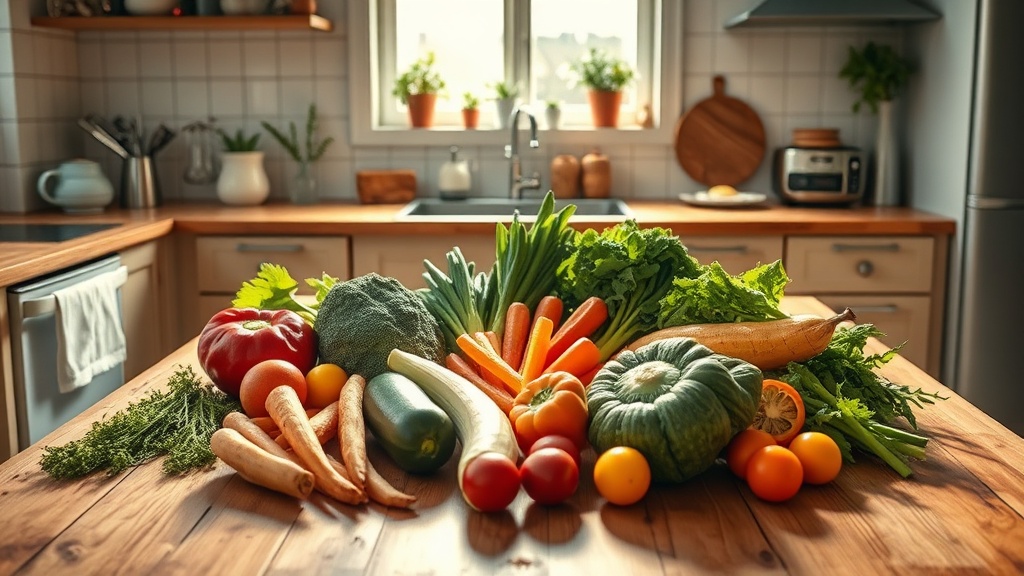
Spring Bio‑Harmony Meal Plan: Clock‑Wise Kitchen for Better Sleep

What Is Bio‑Harmony and Why Does It Matter in Spring?
Bio‑harmony is the sweet spot where your diet, environment, and body clock work together like a well‑engineered structure. As an architect‑turned‑DIY designer, I call it the design‑math of nutrition: every ingredient has a place, a time, and a purpose. In spring, daylight lengthens, temperatures rise, and our bodies naturally crave lighter, fresher foods. Syncing meals with this shift can boost energy, sharpen focus, and, most importantly, improve sleep.
How Does Your Body’s Clock Influence Food Digestion?
Our circadian rhythm isn’t just about sleep; it governs hormone release, metabolism, and even gut motility. Studies from the National Sleep Foundation show that eating late at night can blunt insulin sensitivity and raise cortisol levels. In other words, a late‑night snack is like adding a weak joint to a load‑bearing beam — it compromises the whole structure.
Which Spring Foods Align With Your Circadian Rhythm?
Here are the top five spring foods that naturally support your internal clock:
- Asparagus — high in folate and low‑glycemic, perfect for a mid‑morning power boost.
- Radishes — crisp, hydrating, and packed with antioxidants that aid liver detox after night‑time metabolism.
- Wild‑crafted Greens (nettles, dandelion) — rich in magnesium, a mineral that calms the nervous system before bedtime.
- Fresh Berries — low‑sugar, vitamin‑C‑rich snacks that support adrenal recovery after a day of building.
- Herbal Teas (chamomile, lemon balm) — contain apigenin, a compound that binds to GABA receptors and signals the brain to wind down.
Pair each with a protein source (eggs, beans, or lean fish) to keep blood sugar stable.
How Can I Build a Clock‑Wise Kitchen Layout?
Think of your kitchen as a floor plan. I like to call it the Bio‑Harmony Blueprint. Here’s a quick sketch:
- Morning Zone — left side of the counter, near the window. Store oats, Greek yogurt, and fresh fruit in clear jars labeled with a sunrise icon.
- Midday Zone — center island. Keep pre‑cooked grains, beans, and roasted veggies in airtight containers.
- Evening Zone — right side, close to the stove. House your lean proteins, herbs, and the herbal tea stash.
Use a digital clock (or my favorite labeled jar image) to remind yourself when each zone should be activated. This visual cue is the DIY equivalent of a building code sign — it keeps you compliant.
What Simple Steps Can I Take Today to Start My Bio‑Harmony Meal Plan?
- Audit your pantry: remove processed snacks that lack a natural rhythm.
- Stock the five spring foods above, plus a protein of choice.
- Set three meal‑time alarms (7 am, 12 pm, 7 pm) and pair each with a kitchen zone.
- Prep a batch of quinoa or farro on Sunday; divide into portion‑size containers for the week.
- End each day with a cup of chamomile tea at least 30 minutes before lights go out.
What Are Common Mistakes to Avoid?
Skipping breakfast. Skipping the first light‑exposure meal throws off your cortisol curve, leaving you foggy all day.
Eating heavy carbs after 8 pm. This spikes insulin when your body is winding down, leading to restless sleep.
Relying on “quick‑fix” convenience foods. They’re often high in sodium and additives that disrupt gut bacteria, the unsung workers of your circadian rhythm.
Takeaway
Bio‑harmony isn’t a fad; it’s engineering for your body. By choosing the right spring foods, arranging your kitchen like a functional floor plan, and timing meals with your internal clock, you’ll notice clearer focus, steadier energy, and sleep that feels as restorative as a well‑insulated attic. Start with the five foods, set those zone alarms, and watch your day rebuild itself — one bite at a time.
Looking for more spring‑season strategies? Check out the six pillars of a healthier spring lifestyle, the digital detox for better sleep, and the smart home reset for sleep. If you’re craving fresh air, our guide on air‑purifying houseplants pairs nicely with a bio‑harmony kitchen.
Read the science behind circadian nutrition at the National Sleep Foundation, explore Harvard Health’s take on food and sleep, and dive into recent chrononutrition research on PubMed.