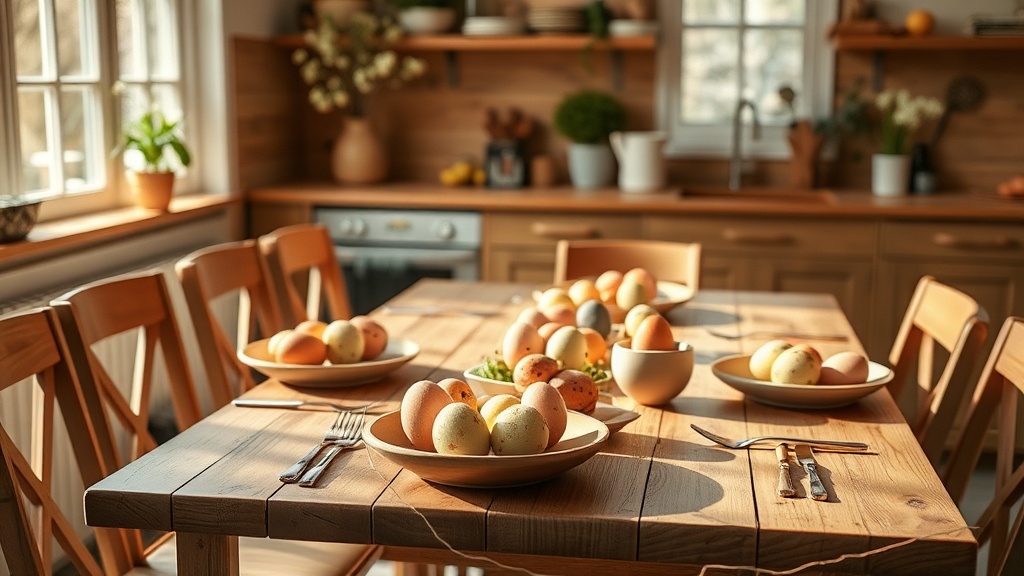
Eco-Friendly Easter: DIY Dyes, Fabric Eggs & Zero‑Waste Decor

Ever wonder how to keep Easter bright and festive without drowning in plastic eggs and disposable décor? I’ve been there—stocking up on cheap plastic eggs felt like cheating the planet, and the waste piled up faster than the chocolate. This guide shows you how to swap the junk for kitchen‑scrap dyes, reusable fabric eggs, and compostable table settings that still feel celebratory.
\n\nWhy does an eco‑friendly Easter matter?
\nSpring is already a season of renewal. By cutting the single‑use waste that typically comes with Easter, you’re extending that renewal to the planet. According to the EPA’s Sustainable Materials Management report, holiday packaging accounts for over 1 million tons of waste each year in the U.S. Making small swaps can shave dozens of pounds of trash from your home.
\n\nWhat natural ingredients can I use to dye eggs?
\nMost kitchen scraps double as vibrant dyes. Here’s a quick reference:
\n- \n
- Red & pink: Beetroot juice or leftover beet skins. \n
- Orange: Turmeric powder mixed with a splash of water. \n
- Yellow: Yellow onion skins (or a pinch of turmeric for extra punch). \n
- Green: Spinach or parsley blended and strained. \n
- Blue: Red cabbage boiled with a squeeze of lemon juice. \n
- Purple: A second batch of red cabbage, but let it sit longer. \n
Combine 1 cup of water, 1 tbsp vinegar, and 2 tbsp of sugar with your chosen ingredient. Simmer for 15 minutes, strain, and submerge your eggs for 10‑15 minutes. The result? Vivid, non‑toxic colors that look just as polished as store‑bought.
\n\nHow can I create reusable fabric eggs?
\nThink of fabric eggs as the “Bernice” of Easter décor—built to last and easy to fix if they get a snag. I prefer sturdy canvas or linen, cut into two halves, sewn with a hidden seam, and stuffed with cotton batting. Here’s the step‑by‑step:
\n- \n
- Measure a standard egg (about 2.5 inches long). Cut two oval pieces from 1/4‑inch canvas. \n
- Pin the pieces together, right sides facing, leaving a 1‑inch gap for stuffing. \n
- Sew around the edge with a 3‑mm stitch; backstitch at the ends. \n
- Turn inside out, stuff lightly, then close the gap with a discreet hand‑stitched seam. \n
- Paint or dye the exterior using the natural dyes above, or apply a washable fabric paint for sharper lines. \n
These eggs can be reused year after year. When the season’s over, toss them in the compost if you used natural dyes, or wash them for next spring. Need a good needle and thread\? My go‑to is a Japanese chiyogami‑style hand‑sewing needle—precise and sturdy.
\n\nWhat zero‑waste table settings work for Easter?
\nSkip the plastic cutlery and disposable napkins. Here are my favorites:
\n- \n
- Bamboo or wooden cutlery: lightweight, compostable, and sturdy enough for a hearty brunch. \n
- Cloth napkins: choose a linen or hemp blend; they add texture and can be washed for reuse. \n
- Compostable plates: look for brands made from palm leaves or sugarcane bagasse—both break down in a home compost within 60 days. \n
- Reusable glass jars: fill them with pastel candy or dried herbs for a decorative centerpiece. \n
For a pop of spring, sprinkle dried lavender, rosemary, or even edible flower petals across the table. Not only do they smell amazing, they’re completely edible and compostable after the meal.
\n\nHow do I compost leftover dye scraps?
\nAll the vegetable skins and pulp you’ve boiled for dye are perfect compost feed. Just spread them thinly on your compost bin, mix with brown material (like shredded newspaper), and keep the moisture balanced. If you’re in an apartment, a small countertop worm bin works wonders—worms love the organic matter and turn it into rich soil you can use for a balcony herb garden.
\n\nWhat’s the cost breakdown?
\nHere’s a quick budget snapshot (all prices are 2026 estimates):
\n| Item | Cost |
|---|---|
| Canvas fabric (1 yard) | $4.50 |
| Japanese needle set | $12.00 |
| Bamboo cutlery set (12 pcs) | $8.00 |
| Compostable plates (pack of 12) | $9.00 |
| Natural dye ingredients (beet, turmeric, cabbage, etc.) | $5.00 |
Total: $38.50. Compare that to a $30‑$40 plastic egg kit that ends up in the landfill after one use.
\n\nWhere can I find more sustainable Easter ideas?
\nIf you’re hungry for more inspiration, check out my Women‑Led Sustainable Home Upgrades for Spring\ post for broader eco‑friendly projects, and the Architectural Spring Cleaning guide\ for design‑math tricks that keep your space pristine without waste.
\n\nTakeaway
\nEco‑friendly Easter isn’t about sacrificing fun; it’s about swapping disposable for durable, and turning kitchen scraps into vibrant celebration tools. Grab a pot, a few veggies, and some canvas, and you’ll have a holiday that’s as kind to the planet as it is to your eyes.
\n\n