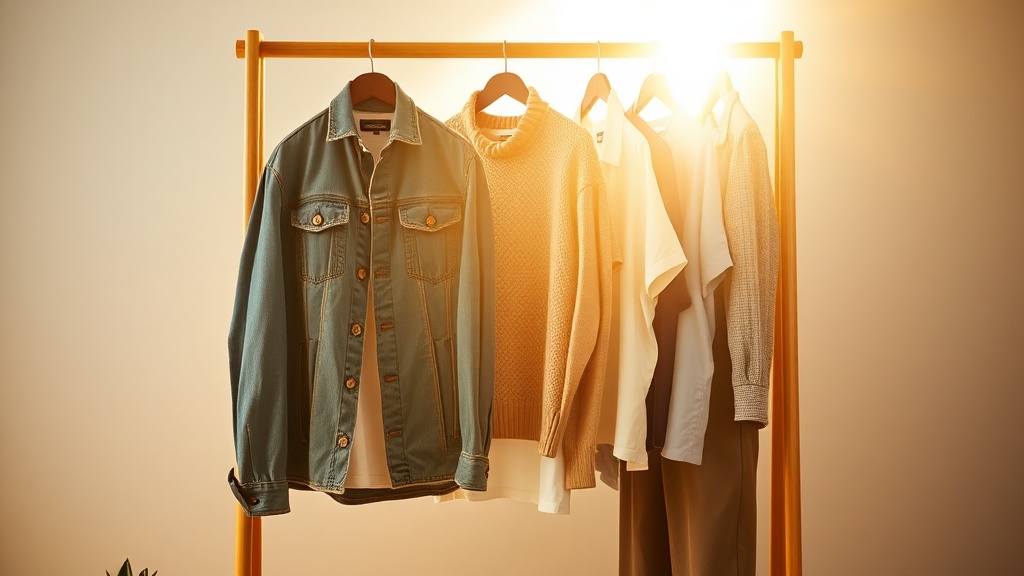
Build a Spring Capsule Wardrobe: Sustainable Layering Basics

Hook:
Ever stare at a closet that looks more like a chaotic hardware drawer than a wardrobe and wonder how to dress for spring without buying a new outfit every week?
Context:
Spring’s temperature roller‑coaster—one day it’s 60°F, the next it’s 78°F—forces us to juggle heavy coats and breezy tees. At DIY Design Lab, I treat clothing the same way I treat a piece of furniture: with design‑math precision, structural respect, and a healthy dose of grit. The good news? You can build a versatile capsule that adapts to the weather, saves money, and keeps your carbon footprint in check.
What is a Capsule Wardrobe and Why Does It Matter for Spring?
A capsule wardrobe is a curated collection of interchangeable pieces that can be mixed and matched to create dozens of outfits. In spring, the goal is layerability: each item should work solo or under/over another piece.
- Less decision fatigue — Fewer choices, more confidence.
- Financial savings — You buy fewer, higher‑quality items.
- Environmental impact — Fewer fast‑fashion purchases = less waste.
Source: The New York Times, “Climate‑Conscious Dressing Is the New Spring Trend” (2026).
Which Core Pieces Make Up a Spring‑Ready Capsule?
What is the “Base Layer” that Works for 55‑75°F?
A lightweight, breathable shirt (organic cotton or linen) forms the foundation. Look for neutral colors (white, gray, olive) that pair with everything else.
Tip: Thrift stores often have high‑quality denim shirts that are both durable and eco‑friendly.
How Do I Choose a Versatile Outer Layer?
A denim jacket or a recycled‑fabric bomber provides warmth without bulk. It can be worn over a tee, a sweater, or even a lightweight dress.
Why denim? It ages like a good building material—gets better with use.
Which Mid‑Layer Keeps Me Cozy When the Temp Drops?
A merino wool sweater or an organic cotton cardigan offers insulation while staying breathable. Merino is odor‑resistant, making it perfect for longer wear.
What Bottoms Give Me Flexibility?
- Straight‑leg chinos in a muted earth tone.
- High‑rise, relaxed‑fit jeans for casual days.
Both pair effortlessly with the shirts and jackets above.
What Shoes Complete the Look Without Breaking the Bank?
A pair of leather sneakers (look for reclaimed leather) and a water‑resistant boot for rainy spring days.
Where Can I Source These Pieces Sustainably and Affordably?
How Do Thrift Stores Fit Into a Capsule Strategy?
Thrifting lets you hunt for quality at a fraction of retail price. Focus on structural integrity (stitching, fabric weight) rather than brand name. I often run a quick “architect’s 60‑second structural check”—feel the fabric, inspect seams, and test the weight.
Related post: The Used Furniture Buying Guide Nobody Taught You — same checklist works for clothing.
Which Online Marketplaces Offer Eco‑Friendly Options?
- Patagonia’s Worn Wear program (up to 30 % off certified recycled gear).
- Etsy’s “upcycled fashion” sellers—look for items made from reclaimed fabrics.
Can I Repurpose Existing Wardrobe Items?
Absolutely. A button‑up shirt can become a lightweight cardigan with a few simple alterations (see my post on The Small Hardware Upgrade That Makes Cheap Furniture Feel Expensive for a mindset shift on small upgrades).
How Do I Layer Effectively Without Adding Bulk?
What Design‑Math Principles Apply to Clothing Layers?
Think of each layer as a structural floor: the lower floor must support the weight above. Choose fabrics that don’t trap moisture (avoid cotton‑poly blends under wool).
How Can I Transition from Morning to Evening?
- Morning (cool): Base shirt + denim jacket.
- Midday (warm): Remove jacket, keep shirt.
- Evening (chilly): Add merino sweater + light scarf.
What Accessories Add Function Without Overcomplicating?
A versatile scarf (organic linen) and a compact rain hat (recycled polyester) can be stored in a small bag and deployed as needed.
How Can I Keep the Capsule Affordable Year‑Round?
What Budget‑Tracking Method Works Best?
Create a simple spreadsheet (Google Sheets works fine) with columns: Item, Source, Cost, Expected Lifespan, and “Design‑Math ROI” (cost ÷ years of use).
When Is the Best Time to Buy?
- Post‑holiday sales (January‑February) for coats.
- Spring clearance (March‑April) for lightweight jackets.
How Do I Maintain the Pieces?
- Wash cold to preserve fibers.
- Repair minor tears with a needle and thread—think of it as a “structural fix” rather than discarding.
Related post: Thrifted Furniture Repair: The 2026 Human‑Touch Trend — same repair mindset applies.
Takeaway
Building a spring capsule wardrobe isn’t about buying fewer clothes; it’s about strategic design, sustainable sourcing, and smart layering. Start with a solid base layer, add versatile mid‑ and outer‑layers, source responsibly, and track your spend with a simple spreadsheet. By the time the first May rain hits, you’ll be dressed for any temperature swing without a closet full of regret.