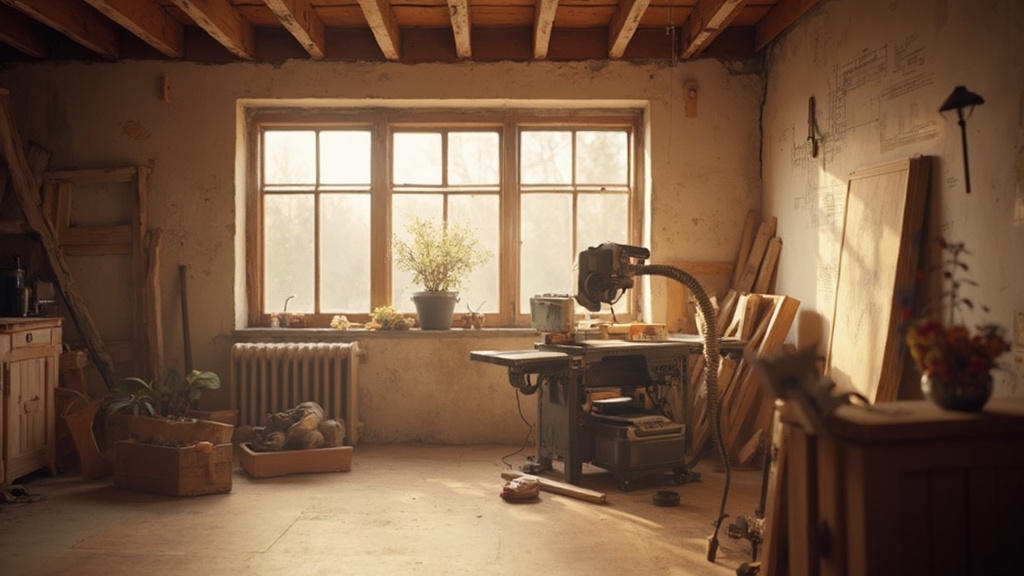
Architectural Spring Cleaning: Design‑Math Tips for Spotless Home

Ready to give your home the deep‑clean it deserves, but with the same precision you’d apply to a building blueprint? Spring isn’t just a season—it’s a chance to reset the structural health of your living space, ditch the winter grime, and set up systems that keep things tidy all year.
What Are the Core Principles of Architectural Spring Cleaning?
When I was an architect, I never started a project without a design brief. The same mindset works for spring cleaning. Think of each room as a small building: you need a clear plan, the right tools, and a methodical sequence.
- Design‑Math First: Measure square footage, note high‑traffic zones, and prioritize based on wear.
- Tool Respect: Every tool has a purpose—don’t substitute a cheap scrub brush for a power‑driven dust extractor.
- Structural Integrity: Check for loose hinges, sagging shelves, or water‑damage before you start scrubbing.
Following these three pillars turns a chaotic weekend into a controlled, satisfying project.
How Do I Create a Room‑by‑Room Cleaning Blueprint?
Grab a notebook (or a digital note app) and sketch a quick floor plan of each room. Mark the following:
- Surface Types: Wood, tile, drywall, glass—each needs a specific cleaner.
- High‑Use Areas: Entryways, kitchen counters, bathroom fixtures.
- Potential Problem Spots: Leaky pipes, drafty windows, squeaky doors.
Once you have a visual map, assign a time estimate to each zone. My typical living‑room overhaul: 30 min for dusting, 20 min for upholstery vacuum, 15 min for window cleaning.
What Tools Should I Reach for?
Here’s my go‑to toolkit (see our essential tools guide for details):
- Bernice, the Miter Saw: Not for cleaning, but for cutting out damaged baseboard before you sand.
- HEPA Vacuum: Captures fine dust that a regular vacuum just circulates.
- Microfiber Cloths: They trap particles without leaving streaks.
- All‑Purpose Cleaner (pH‑balanced): Safe on wood, tile, and painted surfaces.
- Extendable Duster: Reaches ceiling corners without a ladder.
Which Tasks Should Renters Prioritize to Keep Landlords Happy?
Renters often walk a tightrope between thorough cleaning and damaging property. Follow these low‑risk steps:
- Check Lease Clauses: Some landlords require professional carpet cleaning; note the frequency.
- Use Non‑Abrasive Cleaners: Avoid harsh chemicals on hardwood floors—opt for a vinegar‑water mix.
- Seal Up Holes Before Painting: A quick spackle job prevents landlord deductions.
- Document Before and After: Take photos; they’re your insurance when moving out.
For a deeper dive on reinforcing cheap furniture before a move, see our quick‑fix guide.
How Can I Make Spring Cleaning Sustainable?
Cleaning doesn’t have to be a chemical‑laden marathon. Swap out disposable wipes for reusable microfiber pads, and choose plant‑based cleaners. My Spring Refresh guide walks you through low‑impact products that still get the job done.
What’s the Ideal Cleaning Schedule to Keep the Momentum?
Break the massive task into bite‑size weekly goals. Here’s a simple 4‑week sprint:
- Week 1: Declutter and dust high surfaces.
- Week 2: Deep‑clean floors and upholstery.
- Week 3: Scrub kitchens and bathrooms.
- Week 4: Inspect windows, doors, and exterior entryways.
By the end of the month, you’ll have a clean, structurally sound home without the burnout of a single‑day marathon.
Takeaway
Spring cleaning isn’t just a chore; it’s an opportunity to apply architectural rigor to your living space. Sketch a quick blueprint, arm yourself with the right tools, respect the structure, and you’ll finish with a home that feels as solid as a well‑designed building.
Related Reading
- Spring Cleaning Mastery: Practical Tips for a Fresh Home — A broader overview of seasonal deep‑cleaning.
- 7 Essential Tools Every DIY Designer Should Own — The toolkit that makes cleaning and building seamless.
- Spring Refresh: Embracing Sustainable Living in 2026 — Eco‑friendly upgrades for the season.